

Your weekly round-up of 5 essential coffee industry stories you won’t want to miss...
- Tim Hortons’ $290m bet on the Canadian branded coffee shop market
- Sweden’s Espresso House takes a new direction in Europe
- ZUS Coffee embarks on its biggest challenge yet
- Tea and ice cream giant, Mixue, takes on China’s coffee chains
- Starbucks finds sweet success in the US
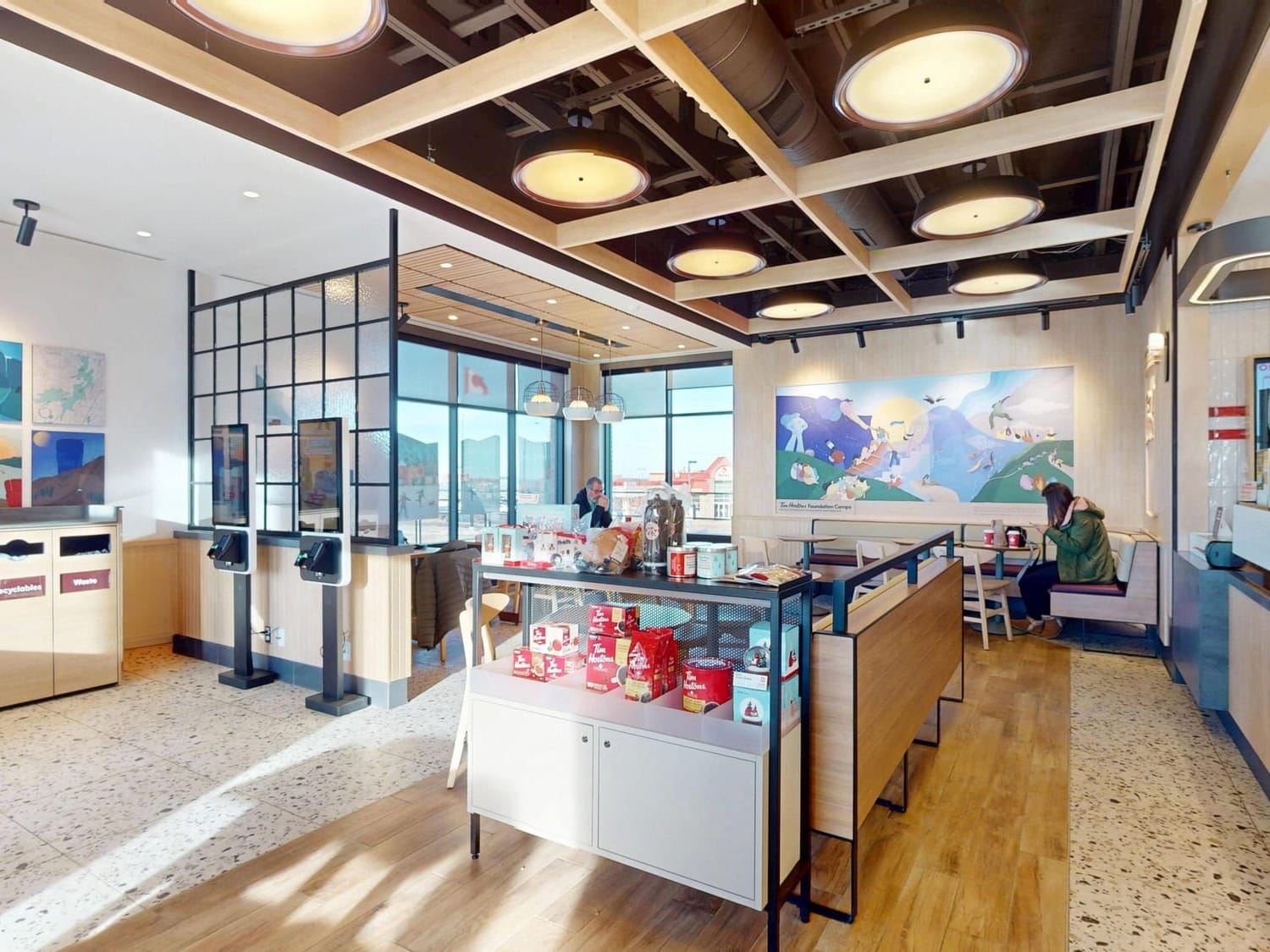
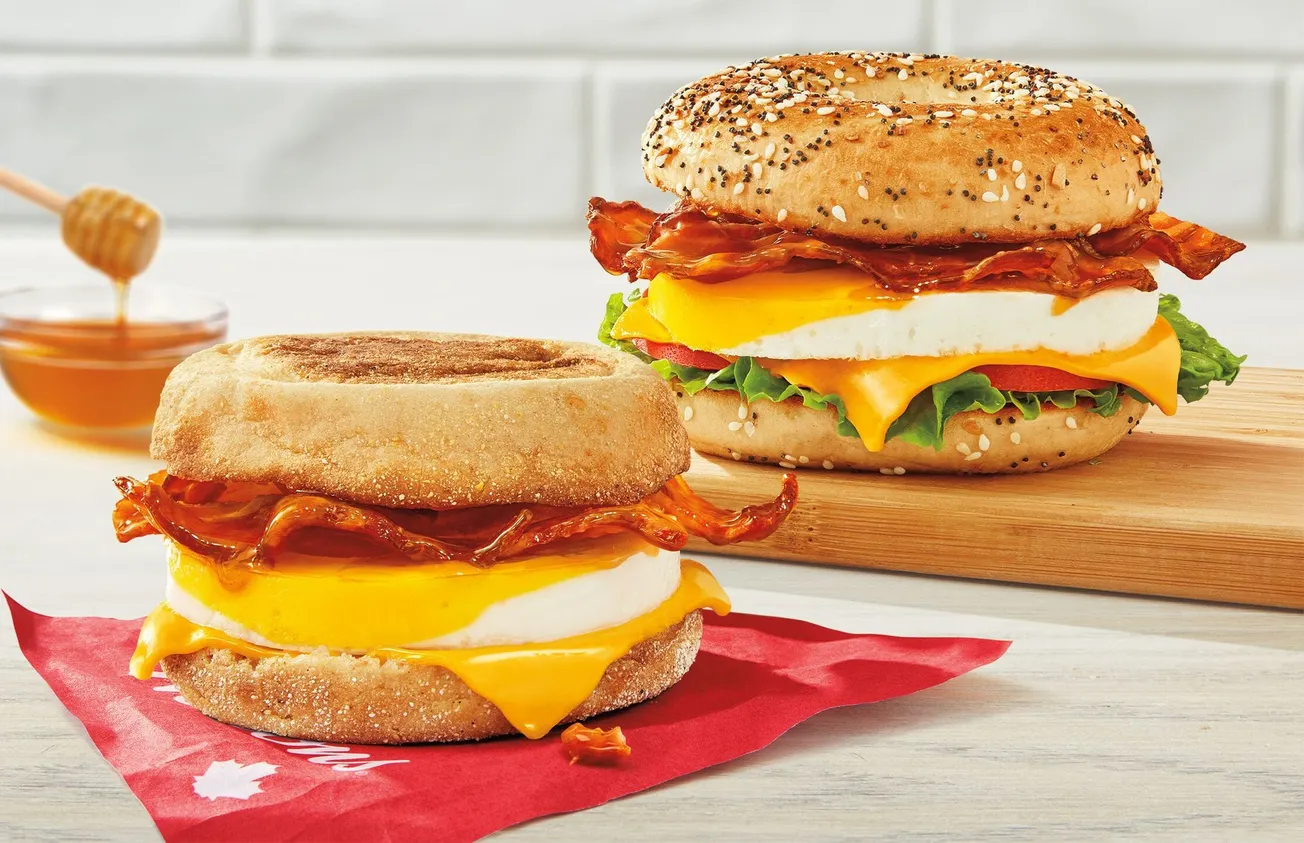
1. As Tim Hortons unveils a major expansion drive, will franchisees be willing to foot the bill?
A CA$400m ($290m) investment in new and refurbished stores promises greater footfall and operational efficiencies. But Tim Hortons’ previous disputes with franchisees show they are also acutely aware of additional costs.
Find out how Canada’s largest coffee chain is planning to spend big in its home market, and how much its 1,500 franchisees are being asked to contribute.
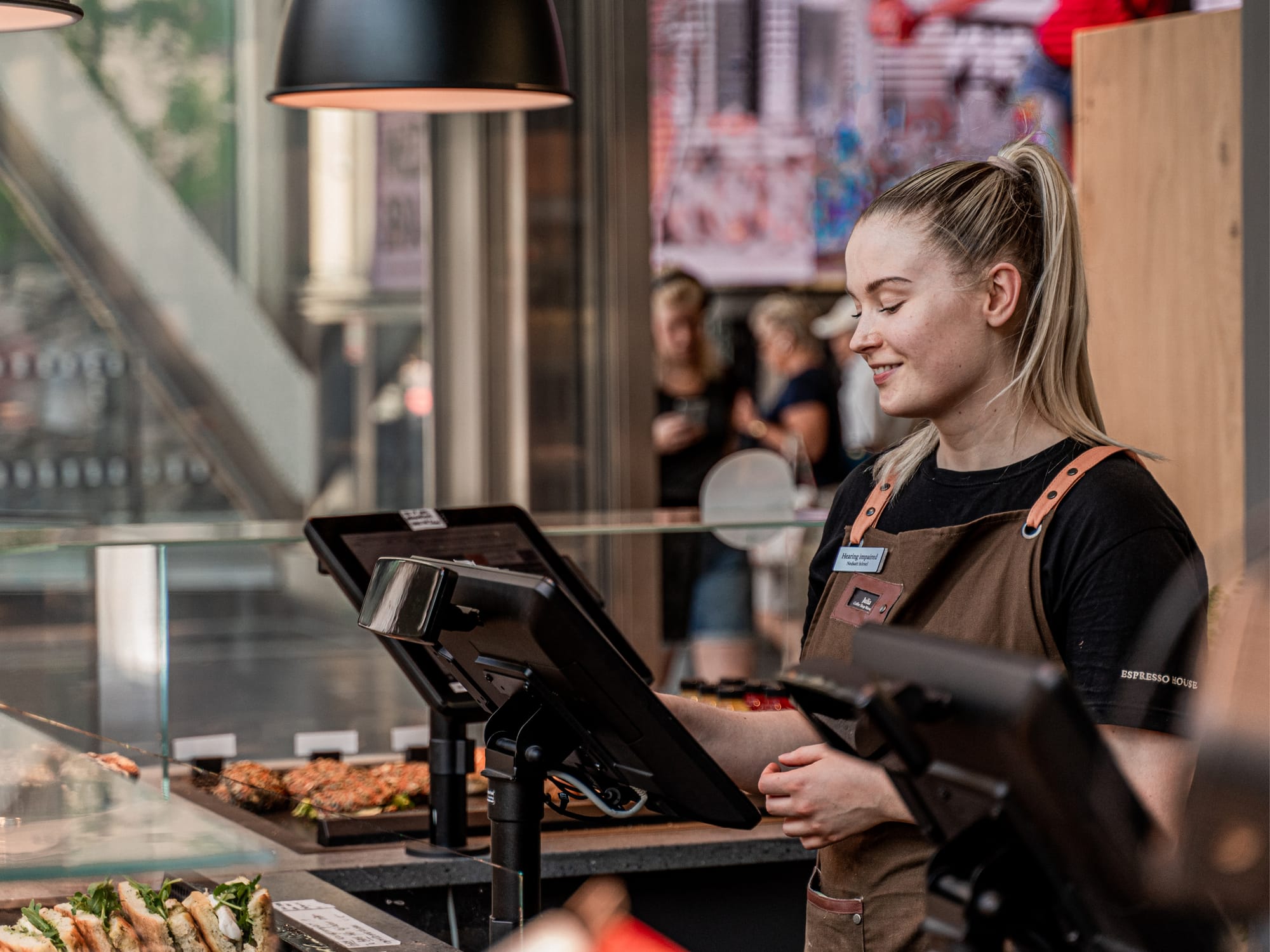
2. Sweden’s Espresso House wants to open a new competition front in Europe
As the JAB Holding-backed coffee chain prepares to enter its first international market in eight years, its direction of travel shows where new opportunities for scaled European operators lie. Espresso House operates more than 500 stores across Sweden, Finland, Denmark, Norway, and Germany.
Now, with a new licensed partner, Espresso House is pursuing growth in a relatively untapped corner of Europe’s 57,700-store branded coffee shop market where few major competitors operate.
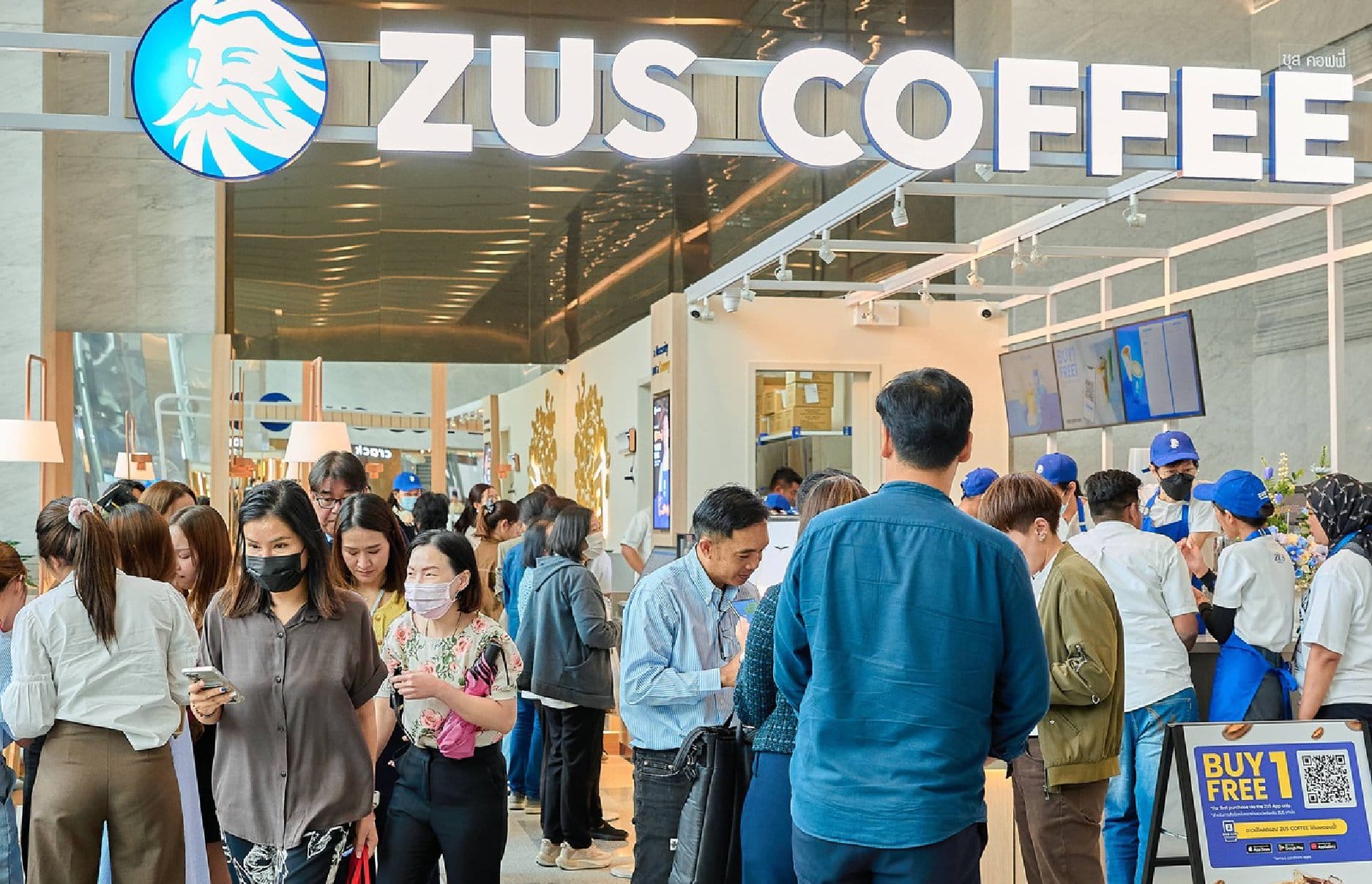
3. ZUS Coffee wants to lead Southeast Asia’s coffee boom – its latest market could be its toughest yet
Since raising $57.5m in late 2024, Malaysia’s ZUS Coffee has upped the ante on expansion – opening more than 400 new stores and debuting in four international markets.
That investment round also laid the groundwork for the digital-first coffee chain’s latest venture in one of Southeast Asia’s most formidable branded coffee shop markets, where a key competitor is deploying a similar low-cost operating model, on-the-go store formats and affordable beverage ranges.
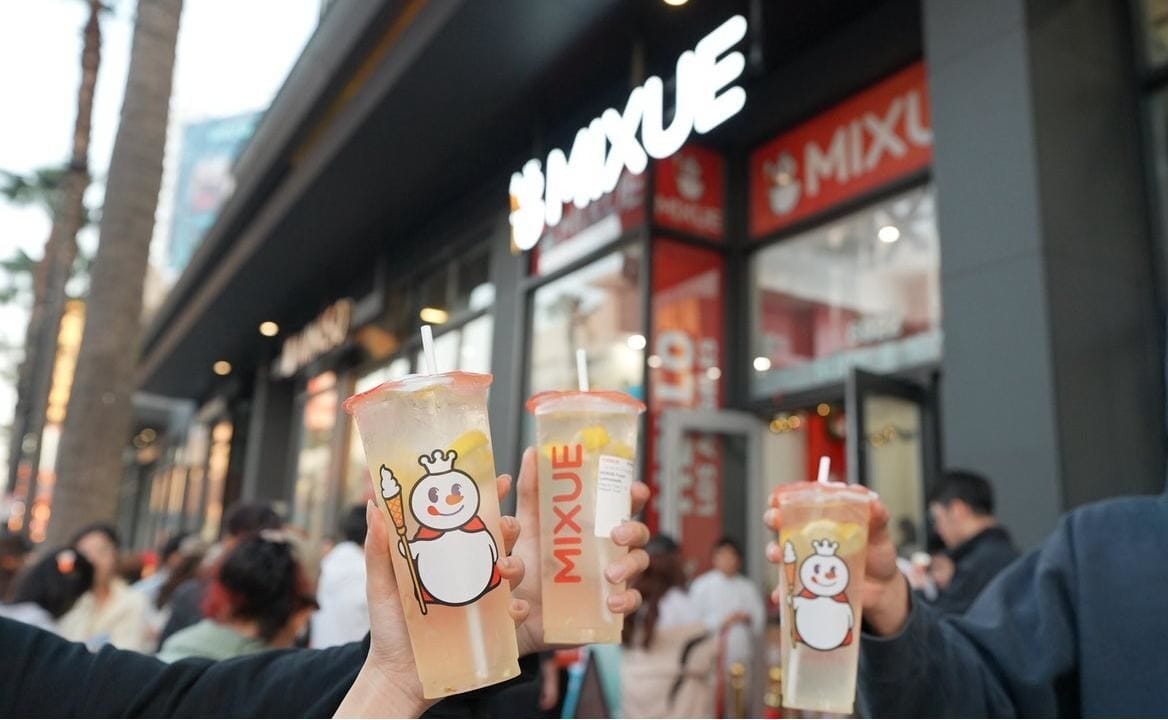
4. 50,000-store Mixue makes a direct challenge to China’s coffee giants
With 50,000 stores globally, around 45,000 of which are in China, Zhengzhou-based Mixue exceeds the scale of major QSR and coffee chains, such as McDonald’s, Starbucks, Subway and KFC.
The Chinese chain has made a name for itself with its affordable fruit tea, bubble tea and ice cream – the latter of which it sells for as little as $0.40.
Its latest investment could spell trouble for China’s largest coffee chains, Luckin Coffee and Cotti Coffee, and could have major ramifications for Mixue’s very own affordable coffee chain disruptor – Lucky Cup.
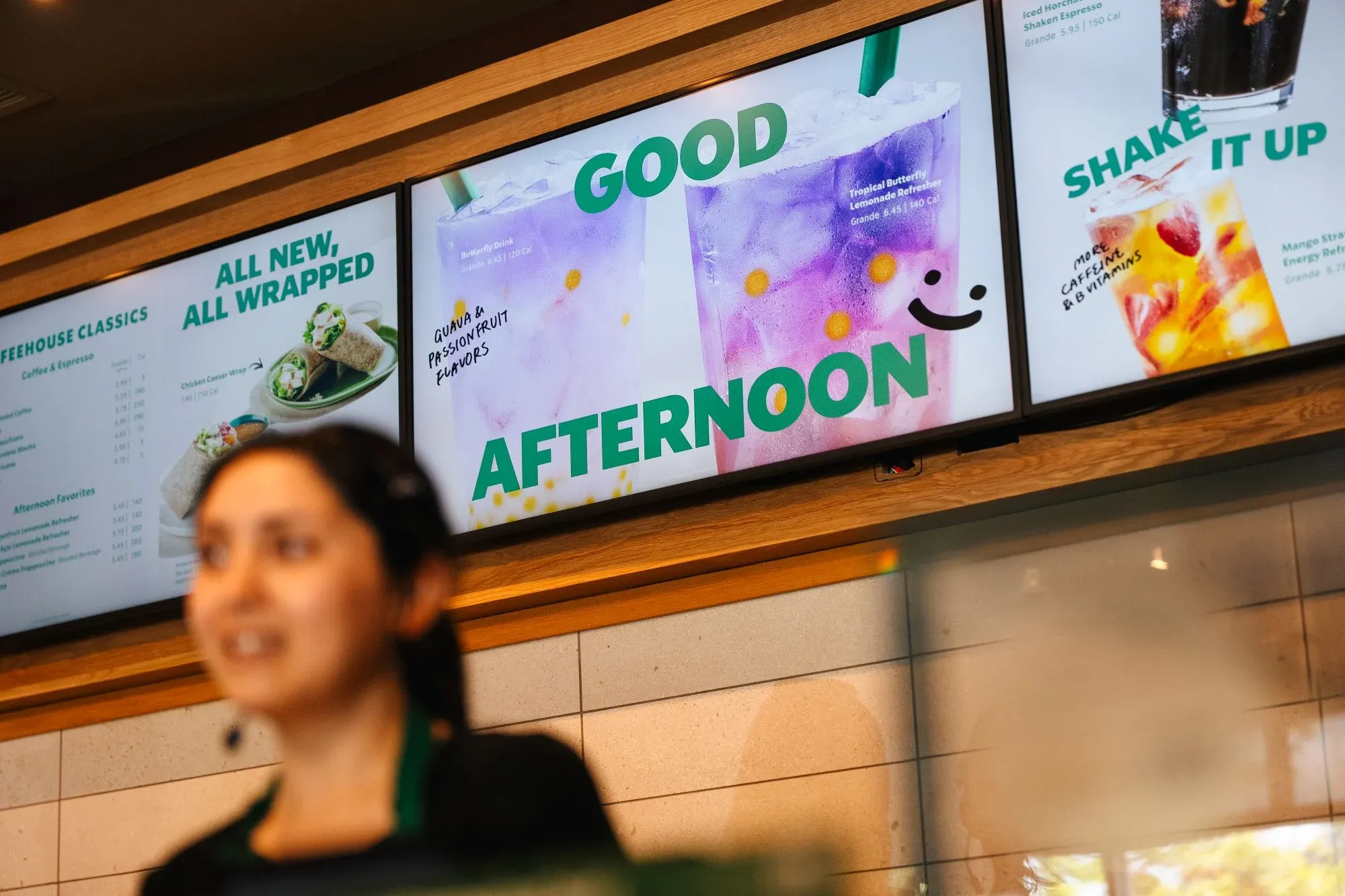
5. Starbucks’ reinvention strategy is boosting afternoon sales – it has little to do with coffee
In April 2026, the world’s largest coffee chain posted its best revenue growth for two-and-a-half years, driven by high like-for-like sales, transaction and ticket growth in its home market.
Brian Niccol’s ‘Back to Starbucks’ strategy is fulfilling a longstanding goal in the US – and its success illustrates a growing trend among coffee operators. Longer dwell times are a big part of the picture. But coffee? less so.