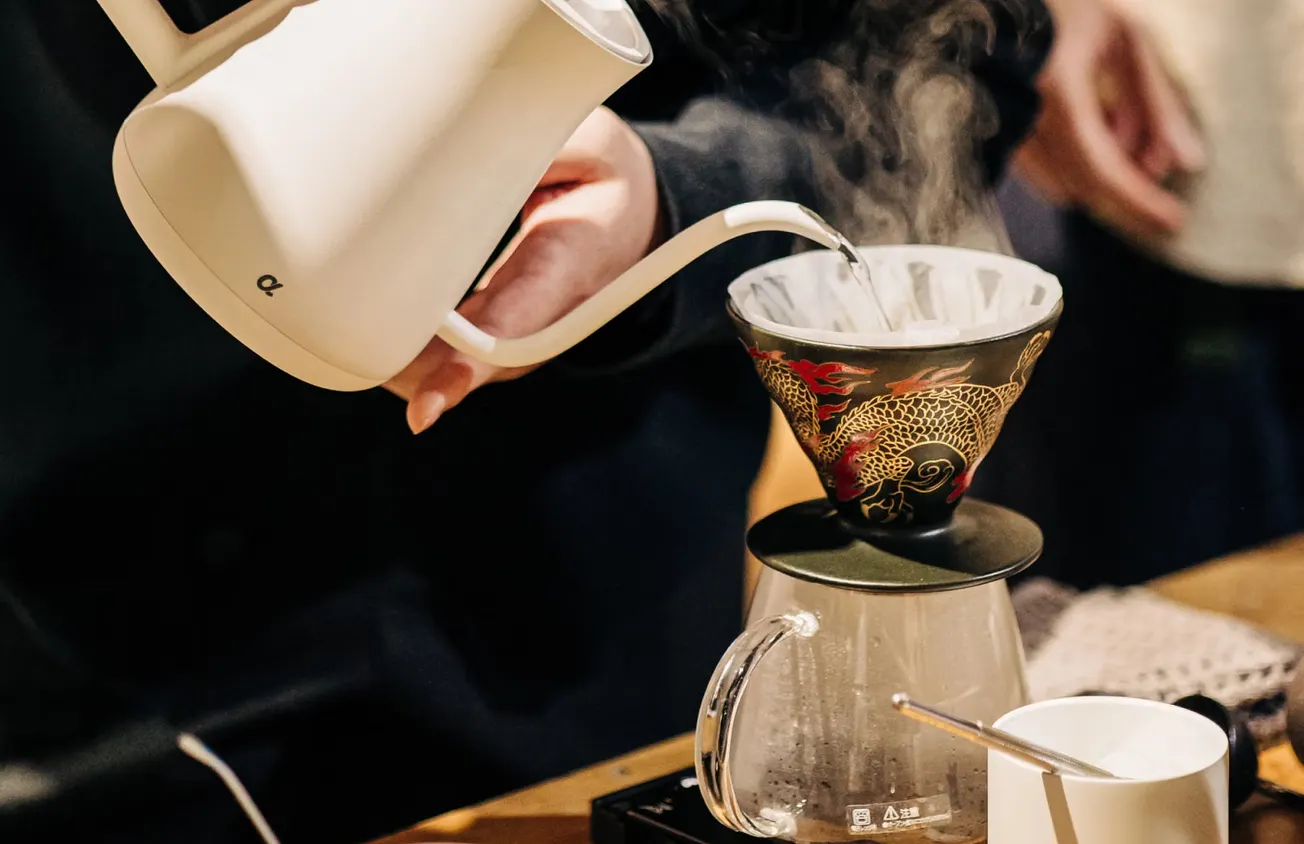

What if the problem with your coffee isn’t the coffee at all?
When an espresso suddenly tastes flat or sour, the instinct can be to blame the beans, adjust the grind or question the barista. But there is another variable flowing through every shot – one that can be easy to overlook. Water is a key ingredient. And according to Thomas Sangiovanni, Head of After Sales at Volcano Coffee Works and Assembly Coffee, “excluding inconsistencies created by human error, everything else rotates around water and the equipment being used to make coffee”.
For coffee operators, that makes water quality much more than a technical consideration. It influences flavour, consistency, equipment performance and, ultimately, the cost of keeping a coffee business running.
Want to know what Will Kenney, Commercial Director at 200 Degrees Coffee, has to say about water, equipment and the perfect cup of coffee?
The consistency challenge
For multi-site operators, consistency is particularly challenging because water quality can vary dramatically from one location to another.
“In places like London, where the water supply can change completely from one borough to another, the mineral composition of the water used is always the most noticeable inconsistency,” says Sangiovanni.
The result can be surprisingly apparent. Even with identical coffee, equipment and recipes, differences in water can create differences in the finished drink.
BRITA Business Account Manager Paul Whitehead explains: “You need some mineral content in water for coffee to make it taste perfect – too little and it can taste sour and thin, too much and flavours can be dull or muddled.”
Water can also affect the visual characteristics of a coffee, including crema thickness and stability.
For operators trying to deliver the same experience every day, across every shift and every site, managing water therefore needs to be part of the quality-control process rather than an afterthought.
What happens when water goes wrong?
The consequences aren't limited to flavour.
Hard water can contribute to scale build-up inside coffee equipment, particularly in the hottest areas of the machine. Espresso Technician Liam Pickett of Coffee Doctor sees this regularly.
“Scale build-up is probably the biggest one, particularly inside the boiler because that is the hottest section of the machine,” he says. Scale can coat the heating element, preventing it from dissipating heat correctly. Eventually, the element can fail and potentially cause the machine's electrics to trip.
And when the machine stops working, the commercial consequences are immediate.
“If the machine starts tripping the electrics, the operator can't make money because they can't make coffee,” Pickett says.
There are costs before a complete breakdown, too. A heavily scaled machine may need considerably more engineer time, while severe cases can require a workshop visit. Pickett estimates that removing scale and fitting a new element can cost around £275, while a full machine descale can be between £1,400 and £2,400.
Filtration: a quality-control tool
The starting point is understanding the water coming into the business.
Sangiovanni says Volcano and Assembly test the water supply at every new site before recommending filtration because “not every venue requires the exact same cartridge”.
The principle is simple: measure the water, understand its needs, then treat it appropriately.
For many coffee operations, cartridge filtration can provide a practical way to optimise water while retaining minerals that contribute to extraction. Ion-exchange filtration targets specific components of the water rather than removing virtually everything.
Meanwhile, “reverse osmosis removes almost everything from water”, explains Whitehead, “but comes at a higher cost, and less efficiency with water.”
RO can be appropriate where an operator needs very specific control over water composition. But it requires careful management and, typically, remineralisation before brewing.
For operators managing multiple sites or high volumes, filtration can offer a simpler approach. Whitehead says cartridge filtration can provide a practical balance between water optimisation and commercial considerations.
Don’t wait until the filter has failed
One of the biggest misconceptions, according to Whitehead, is that a filter will last a fixed period regardless of where and how it is used.
“The actual functional life of a filter depends on the water going through it – how much, how quickly, and how much mineral content there is,” he says.
That makes monitoring critical.
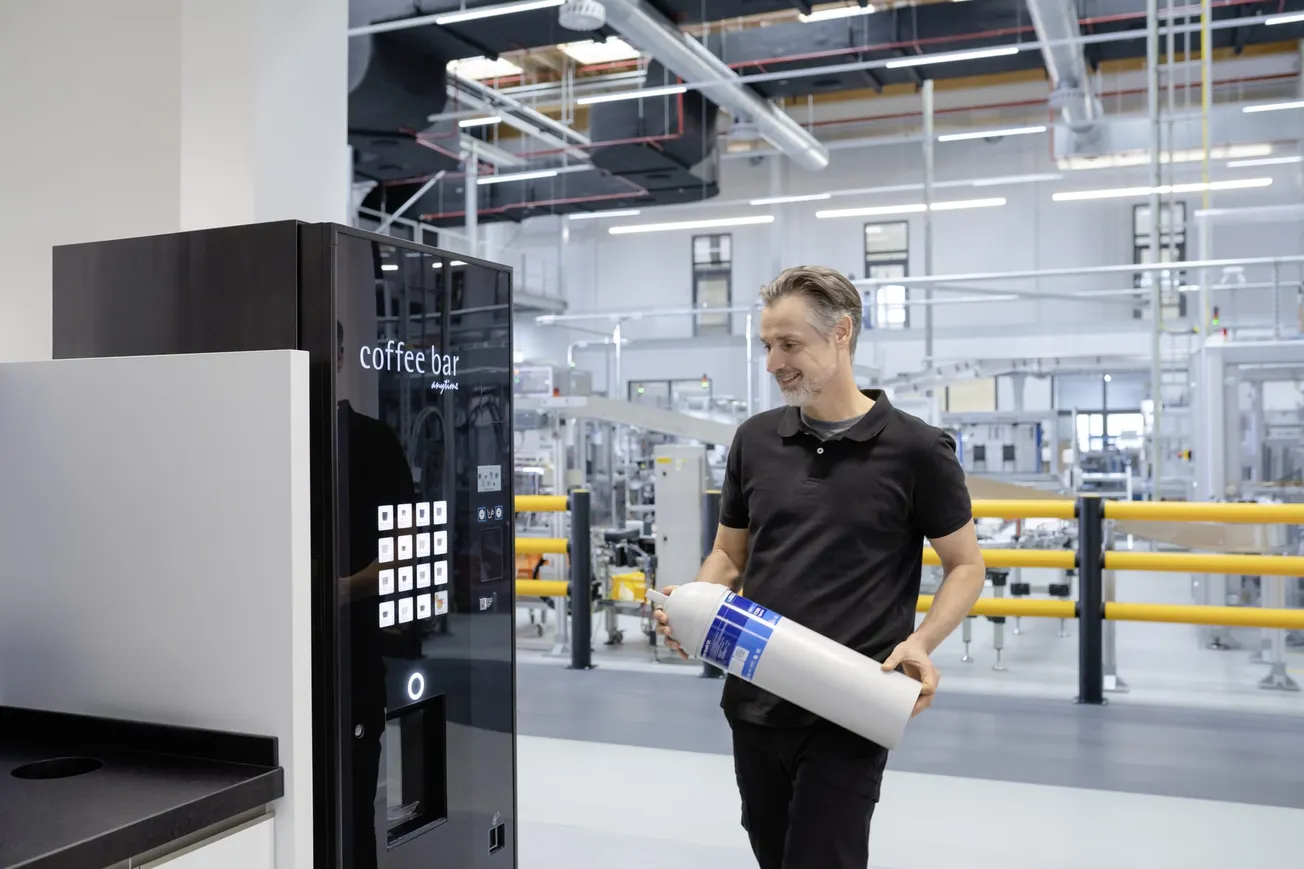
For operators, monitoring can turn water treatment from a reactive task into a managed process. BRITA’s iQ system, for example, can monitor filter usage and indicate when replacement is required.
Sangiovanni says the technology has helped automate processes for customers who may not routinely test their own water, while giving multi-site operators greater visibility.
But technology is only part of the answer. Operators should still understand their local water conditions, ensure systems are correctly configured and train staff to recognise changes in taste, extraction and machine performance.
As Sangiovanni puts it: “Be on top of your water – it’s at least 90% of your coffee.”
The message for operators is clear: water deserves the same attention as beans, grinders and espresso machines. Test it. Treat it appropriately. Monitor it. And make water management part of the routine, rather than waiting for the first bad-tasting coffee – or the first engineer call-out – to reveal there is a problem.
Checklist
• Test local water quality
• Replace filters on time
• Monitor coffee extraction for changes in taste, brew time & consistency
• Check machine performance for signs of scale, reduced efficiency or wear
• Train staff to recognise common indicators of water-related issues
Find out what BRITA iQ can do for you here.