
Europe’s coffee shop customers want more choice, more craft and more value, and they want it faster than ever. Ahead of the European Coffee Symposium + COHO in Berlin, we look at the seven consumer demands that will define the market in 2026 and beyond
Europe’s branded coffee shop market keeps growing despite pressure on household budgets. According to World Coffee Portal’s Project Café Europe 2026 report, the market grew 3.9% to 57,783 outlets in the 12 months to March 2026, adding 2,181 net new stores.
Growth is forecast to reach 69,200 outlets by March 2031, and 61% of industry leaders expect footfall to increase over the next year.
But growth is no longer evenly distributed. Romania, Kazakhstan and Turkey are expanding much faster than the European average, while more mature markets are seeing growth at both the value and premium ends.
Coffee-focused chains, many of which are embracing automation and beverage innovation, are expected to grow by 4.6% a year to 41,000 outlets by 2031.
Here are the seven consumer demands that will separate the winners from the rest.
1. More Choice
European coffee drinkers want to try new things. In France, 69% of consumers find coffee shop drink menus exciting, rising to 75% among under-35s. In Turkey, the figure is close to four in five.
Preferences still vary by market. Espresso accounts for 30% of last orders in France, cappuccino 33% in Germany and Turkish coffee nearly a quarter in Turkey.
Plant-based and functional options are now part of mainstream demand. Fourteen per cent of Turkish consumers chose lactose-free milk on their last visit, while oat milk accounts for less than 10% of orders in Germany.
2. Bespoke & Personal
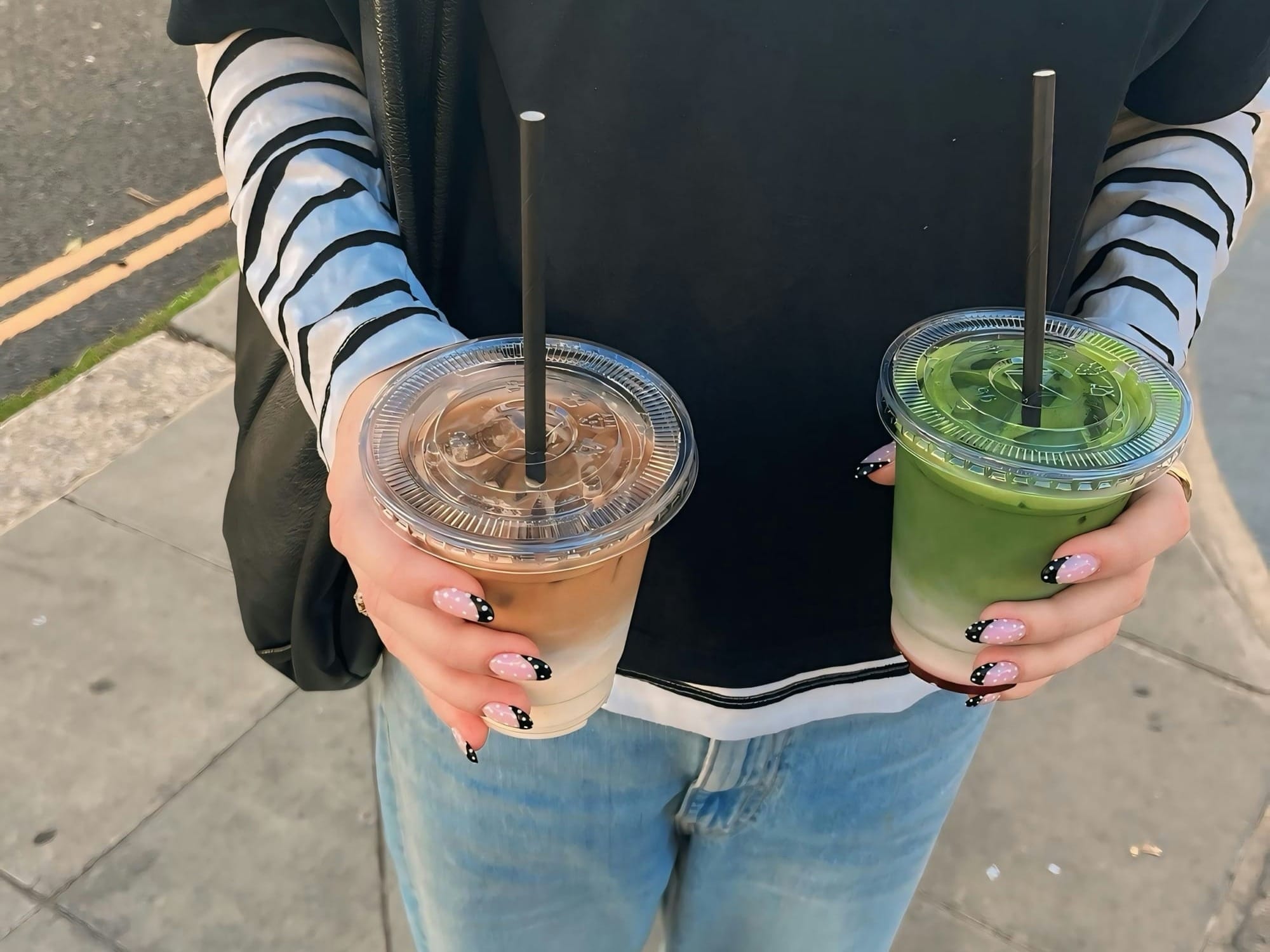
Customers increasingly want their order to reflect personal taste. More than 60% of Turkish consumers are willing to pay extra for different blends, syrups and toppings. That makes customisation a source of revenue as well as a way to build loyalty.
Signature drinks can also help operators stand out in crowded markets, and coffee operators across Europe are embracing menu choice – from milk customisation to new categories, such as hojicha, and trending functional add-ons, like protein and fibre.
3. More Convenience
For many customers, the coffee shop is part of a tightly scheduled day. Around one in five visits in France and Germany lasts less than 10 minutes, and early mornings account for more than a quarter of French visits.
Convenience is also changing food. In Germany, consumers spend an average of €9.20 when they buy food and drink, compared with €4.84 for drinks alone – yet less than half find coffee shop food ranges ‘exciting’.
4. Craftsmanship
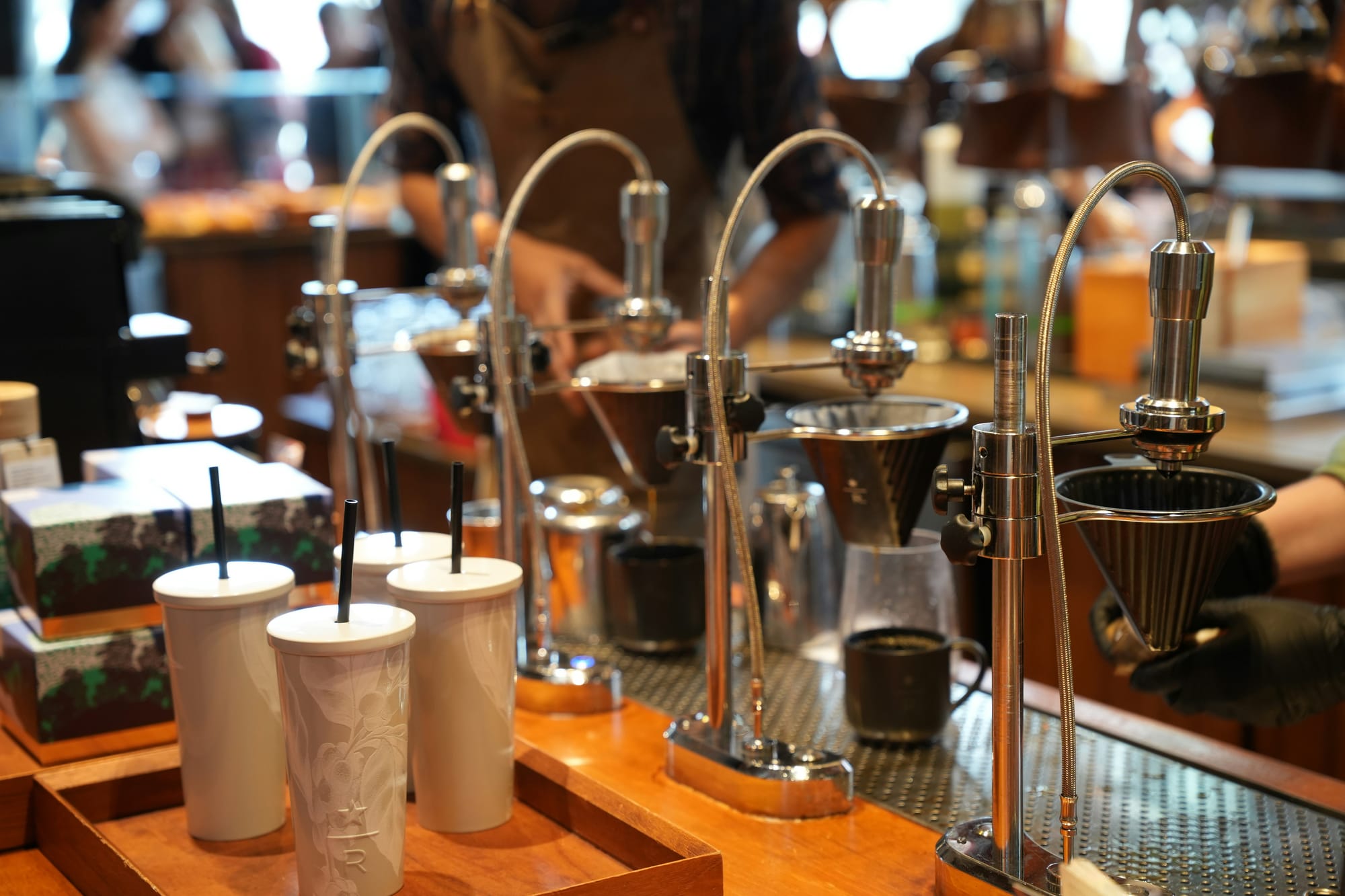
Specialty coffee is moving into the mainstream. In France, 60% of consumers say buying specialty coffee appeals to them, and roughly the same proportion value knowing a coffee’s origin.
Words such as “handcrafted”, “intense” and “indulgent” resonate strongly with customers.
That demand is driving the expansion of premium chains, including The Coffee, % Arabica, Hagen, Kalve and The Miners.
5. More Value
Price sensitivity is splitting the market. Value-led operators such as Greggs and Romania’s 5 to go are gaining ground, while premium brands need to justify higher prices more clearly.
Price perceptions vary widely across Europe. An average cappuccino costs €4.49 in France and €2.48 in Greece.
Only 49% of French consumers and 45% of German consumers say coffee shop drinks are good value, compared with 64% in Turkey. For operators, value also means protecting margins through scale, efficiency and products with a longer shelf life.
6. New Formats
Coffee consumption is spreading into more occasions, locations and formats. In Turkey, 67% of customers spent more than 30 minutes in a coffee shop on their last visit, compared with 25% in France and 28% in Germany.
Elsewhere, kiosks, drive-thrus, delivery and bakery-led concepts are extending branded coffee beyond the traditional store. Packaging and presentation are becoming part of the product, from delivery cups that keep drinks hot to the counter displays that drive impulse purchases.
7. Speed of Service
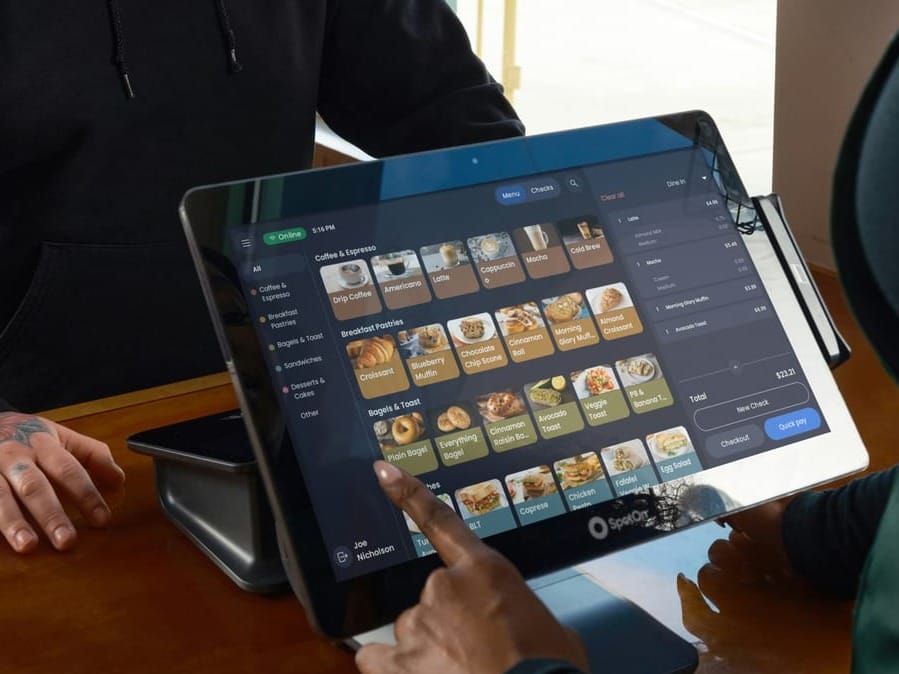
As visits get shorter and labour costs keep rising, throughput has become a key competitive advantage. Operators need to serve more customers at peak times without losing the quality that justifies premium prices.
Technology is central to that challenge. The question for the coffee industry is how far automation can go before customers lose the human connection that brings them back.
Discover the solutions in Berlin.
Join the decision-makers shaping Europe’s coffee and hospitality market. As a valued World Coffee Portal reader, you have access to our accreditation programme for the European Coffee Symposium + COHO in Berlin, 24–26 November. Places are limited, and applications are processed every Friday.