

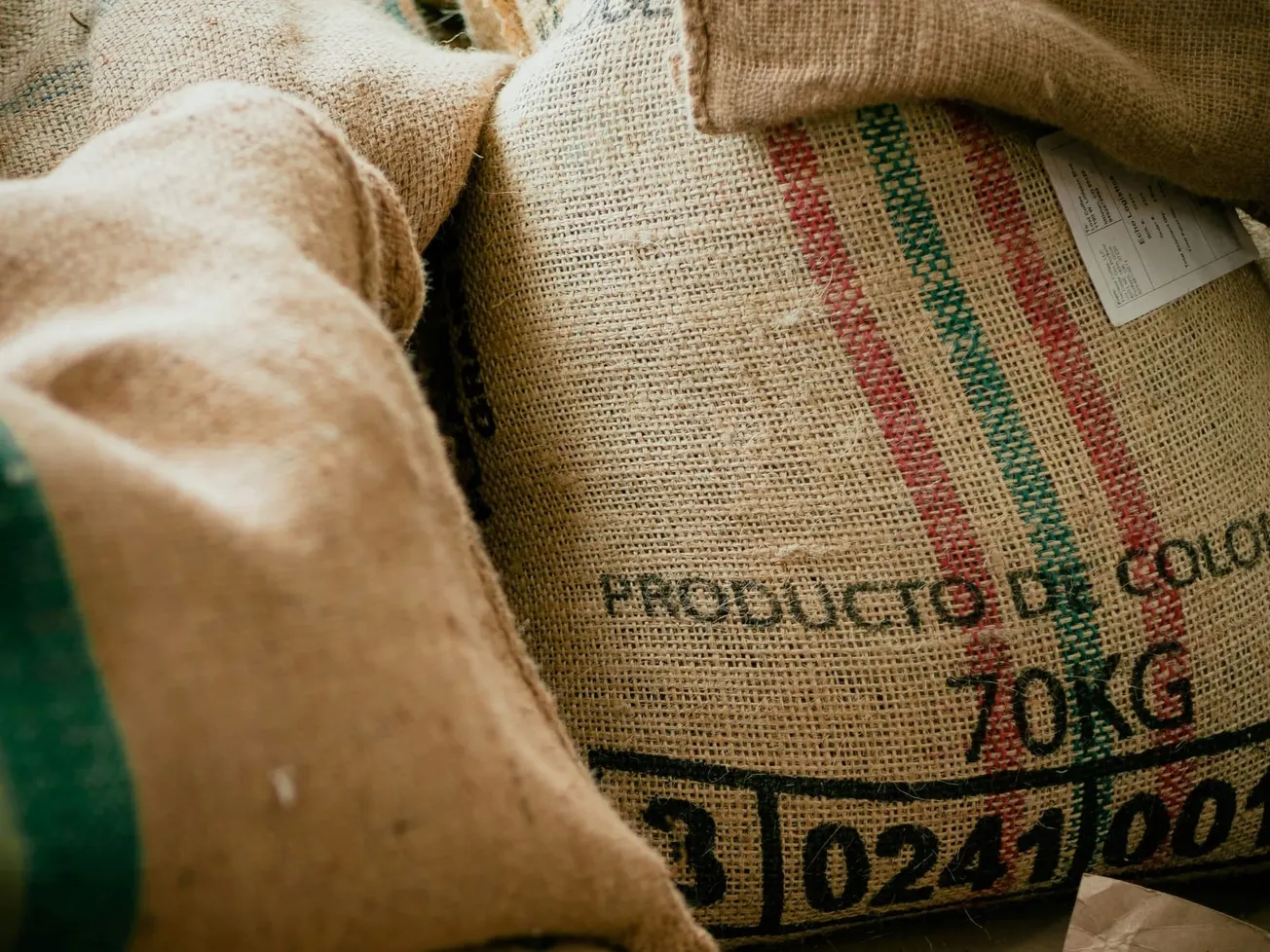
7.4-magnitude earthquake hit Colombia’s coffee-growing heartlands and halted operations at the Pacific port of Buenaventura
The earthquake struck western Colombia on Monday 10 August, with the epicentre near San José del Palmar in Chocó province.
Reuters reported on 12 August that the death toll had reached 265, with nearly 500 people still unaccounted for. President Abelardo De La Espriella pledged to establish an emergency fund to rebuild hospitals, schools, homes and infrastructure destroyed by the quake.
The major coffee-growing regions of Risaralda, Valle del Cauca, Caldas, Antioquia, Chocó, and Quindío have been impacted by the natural disaster, described as Colombia’s most devastating this century.
The port disruption is concentrated at Buenaventura rather than affecting all Colombian export routes. Germán Bahamón, head of Colombia’s coffee federation, told Reuters that port operations at Buenaventura had paused while inspectors assessed the impact of landslides on key roads. He said exports were continuing as usual, mainly through Caribbean ports.
A pause at Buenaventura could delay shipments, increase inland transport costs and create congestion elsewhere.
Colombia is the world’s third-largest coffee producer and exports approximately 13 million 60-kilogram bags annually. The USDA’s Foreign Agricultural Service forecasts total Colombian coffee exports of 11.8 million bags in marketing year 2025/26, after 12.3 million bags in 2024/25.
The United States would be most exposed to a prolonged disruption by volume. USDA data shows that the US received approximately 4.5 million 60-kg bags of Colombian coffee in marketing year 2023/24. The European Union took around 3 million bags as a bloc, followed by Canada at 1.4 million bags and Japan at 1.3 million.
For roasters and importers, the immediate concern is the time required to inspect and reopen roads connected to Buenaventura. The route is particularly important for coffee produced in Colombia’s western and central regions, while alternative Caribbean routes may require longer inland journeys and additional handling.
The National Federation of Coffee Growers is assessing damage to farms and rural infrastructure, Reuters reported. The full impact on production, processing facilities and logistics is not yet known, and the death toll may continue to rise as rescue teams reach isolated communities.
If Buenaventura resumes operations quickly, the impact may be limited to short-term delays and higher transport costs. If road inspections identify more extensive damage, coffee exporters may face longer diversions, shipping delays and rising competition for Colombian lots already contracted by international buyers.