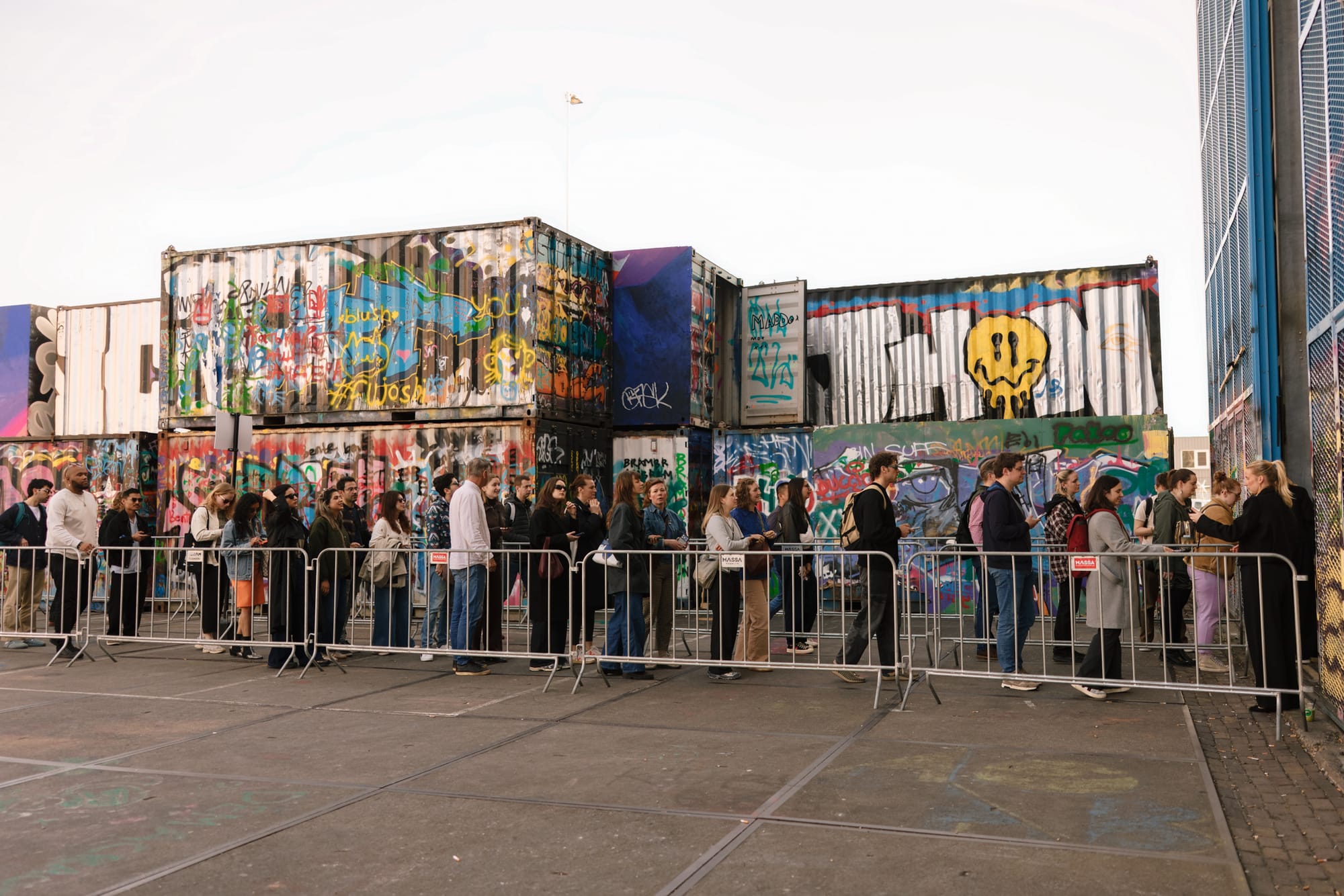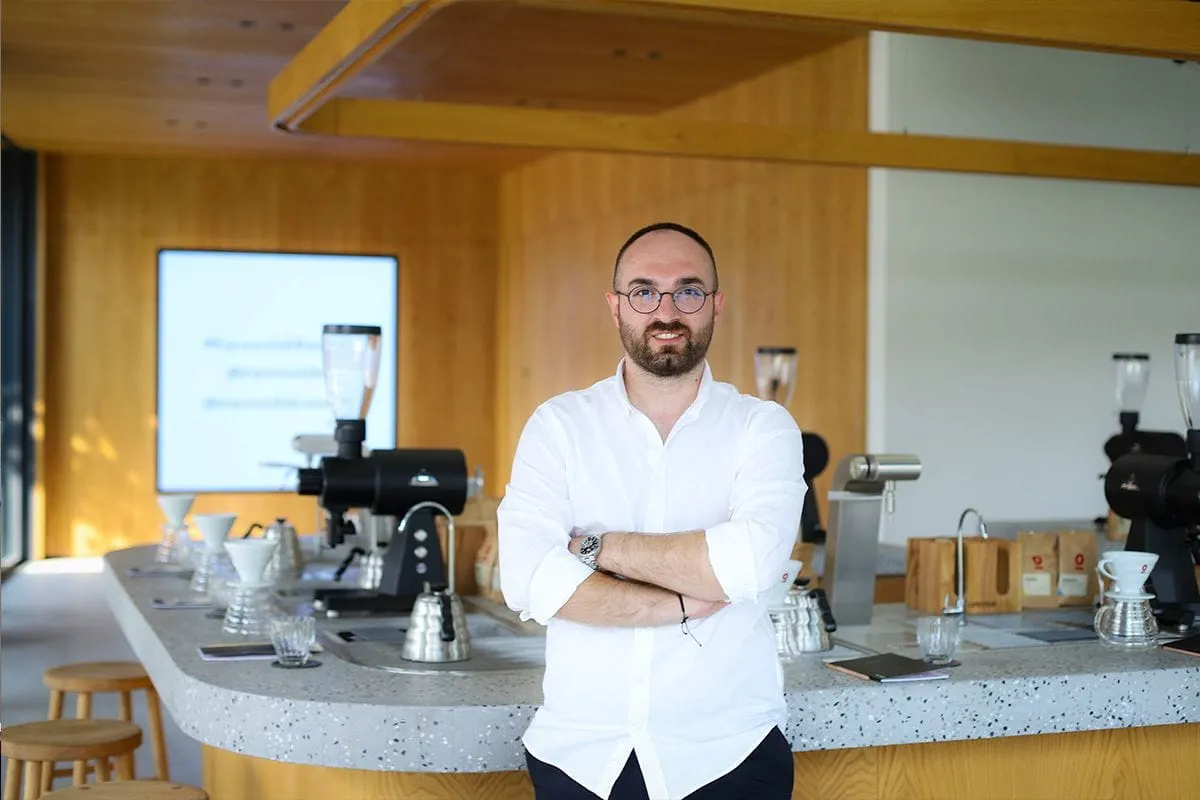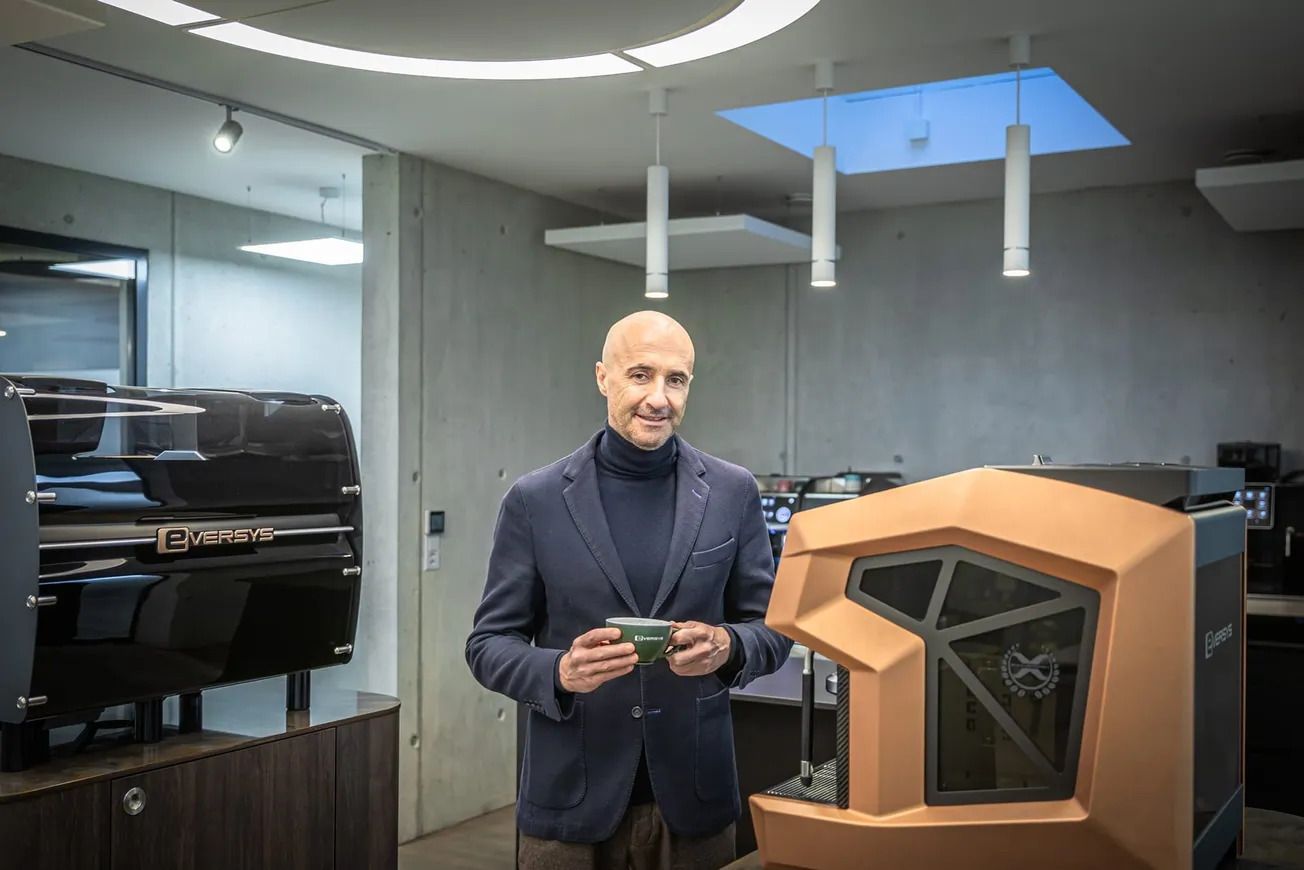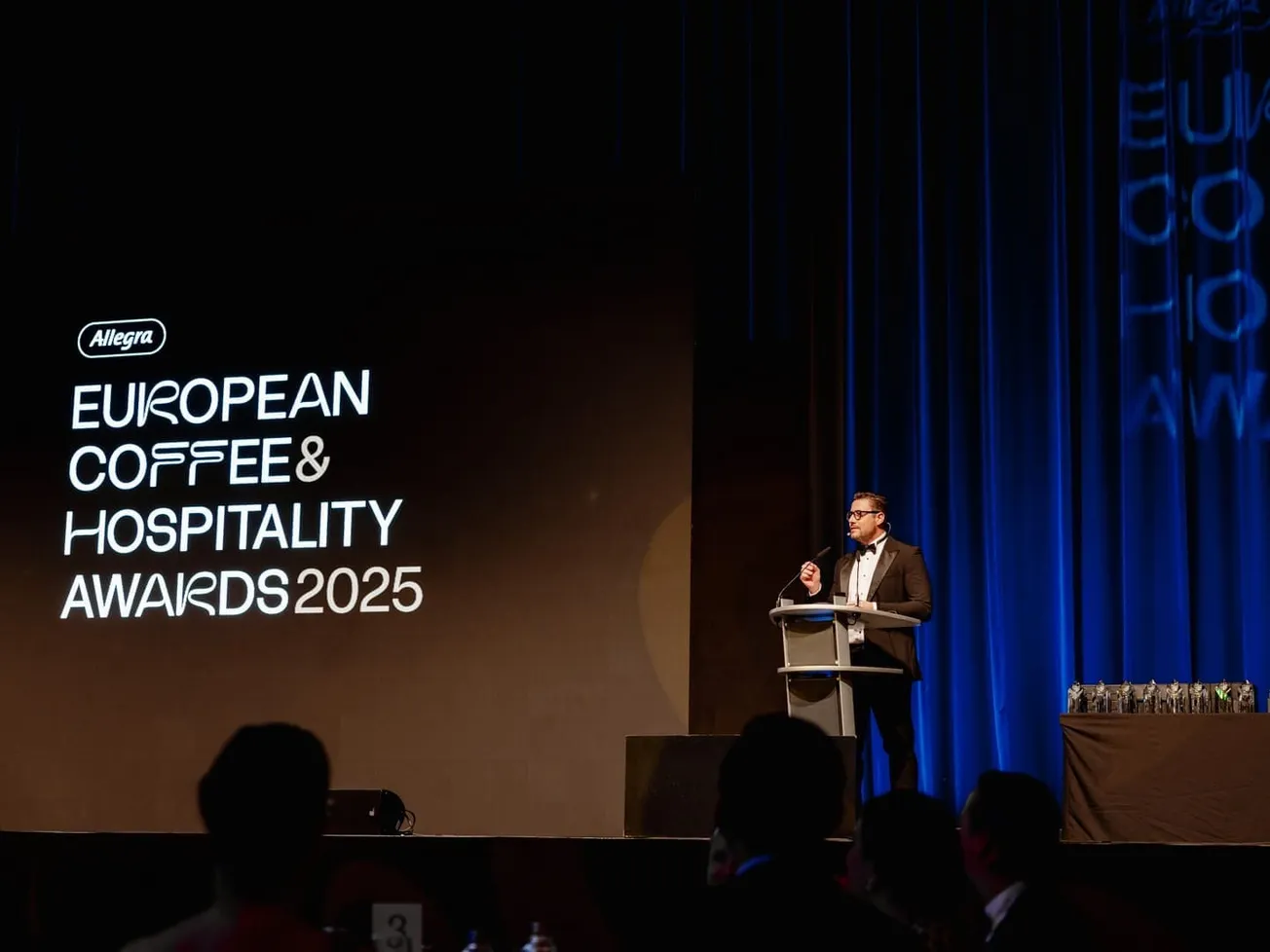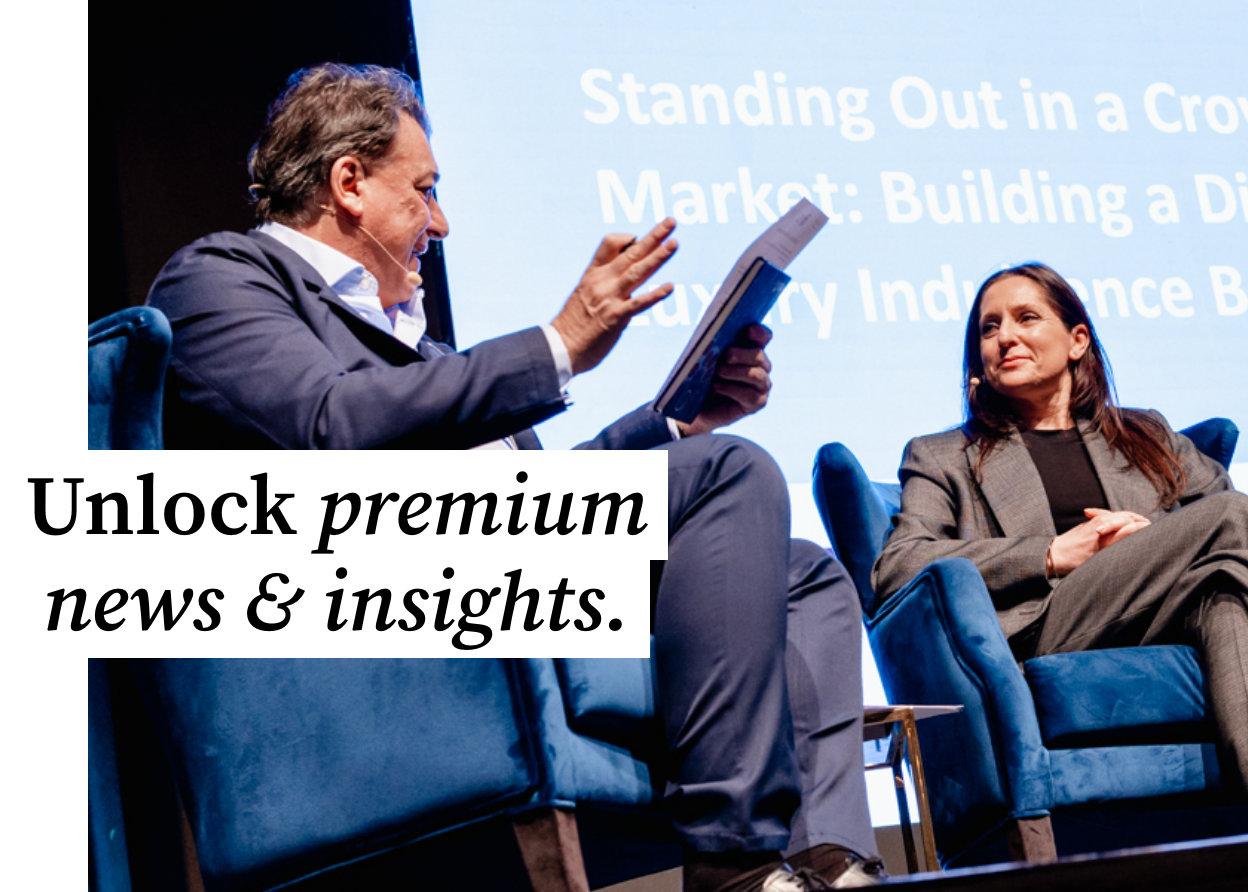


The Amsterdam Coffee Festival once again brought together some of Europe’s most progressive operators, roasters and thinkers, offering a clear snapshot of where the industry is heading next. Across three days of talks, panels and live discussions, one theme was consistent: the coffee sector is evolving rapidly, with new pressures, new opportunites and a far more sophisticated competitive landscape
The 10 biggest takeaways from The Amsterdam Coffee Festival 2026:
1. The European coffee industry is entering a more complex, mature phase: Growth continues, but the conversation has shifted from expansion to execution, with operators needing stronger business fundamentals, clearer positioning and operational discipline to compete.
2. Coffee careers are becoming more entrepreneurial and multi-dimensional: The traditional path from barista to manager is evolving, with more professionals building brands, launching businesses and leveraging community, mentorship and digital platforms to accelerate their careers.
3. Beverage innovation is now a core driver of brand relevance: Cafés are expanding beyond espresso-based drinks into matcha, tea and functional beverages, drawing inspiration from East Asia and using innovation to build identity, attract new audiences and increase frequency.
4. Roasting excellence is about more than technical skill: The most successful roasters combine sourcing, consistency, storytelling and brand clarity, with philosophy and market understanding as important as roasting precision itself.
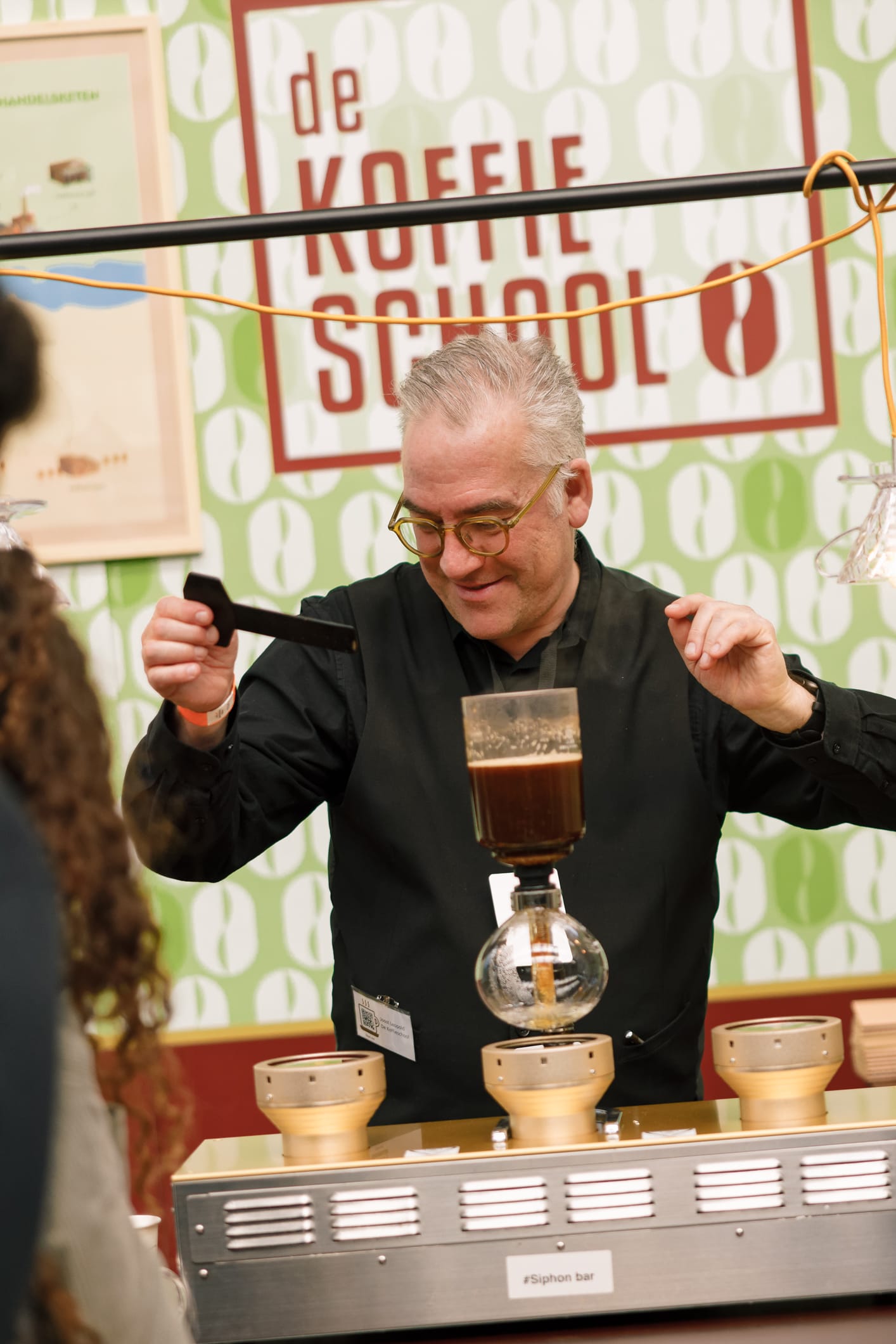

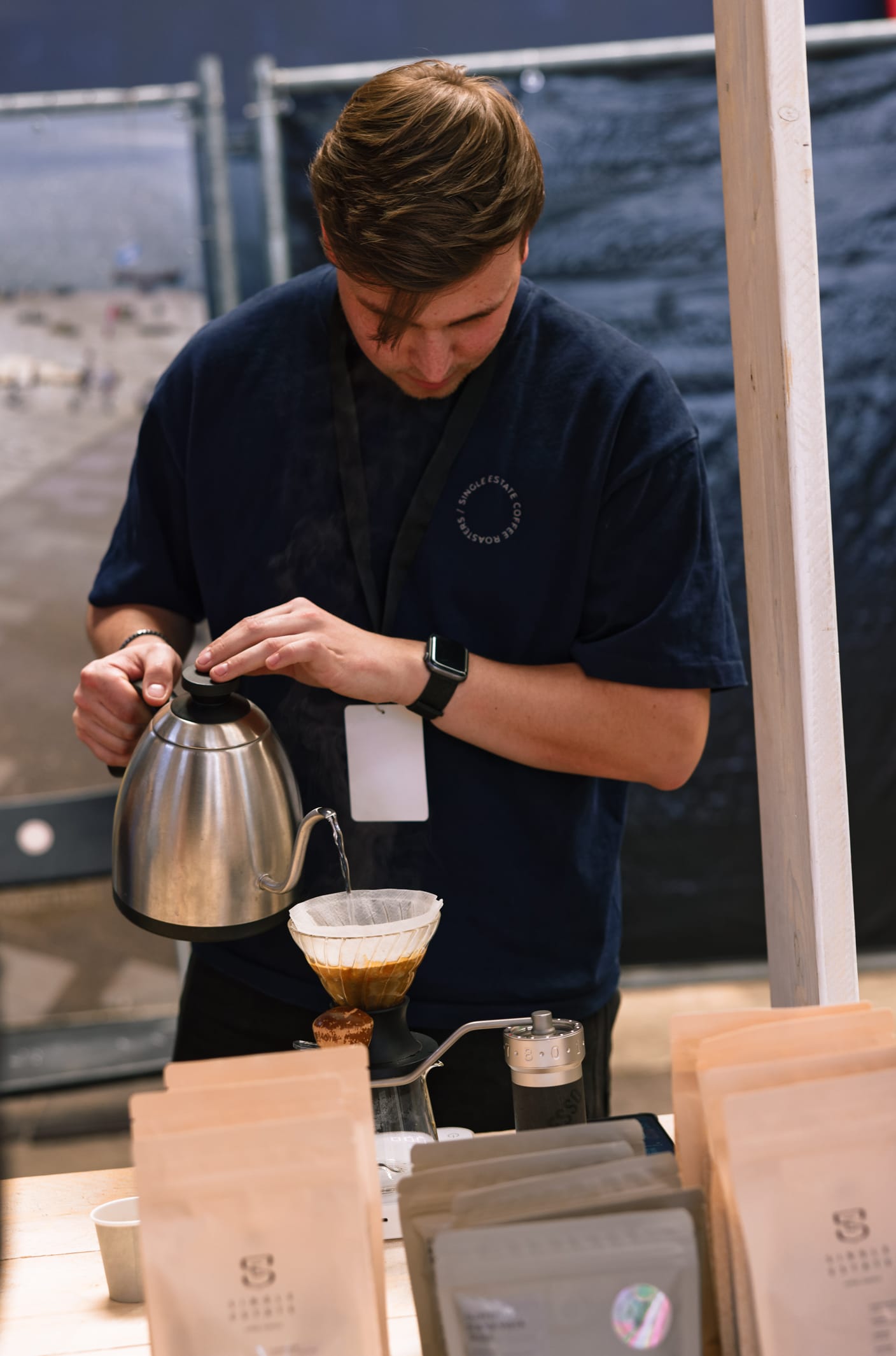
Photos: The Amsterdam Coffee Festival
5. The industry is rethinking its reliance on traditional coffee supply: Growing pressure on arabica production is accelerating interest in alternative species such as canephora, as sustainability and long-term resilience move higher up the agenda.
6. Food is becoming central to the café value proposition: Operators are investing more heavily in bakery and all-day food offers to increase dwell time, diversify revenue and compete more effectively in a broader hospitality landscape.
7. The next generation of consumers is reshaping expectations: Gen Z and younger audiences are driving demand for wellness, aesthetics, authenticity and personalisation, forcing brands to rethink everything from product to experience.
8. Even established brands must continuously reinvent: Legacy operators are under pressure to evolve, with long-term success depending on the ability to stay culturally relevant while maintaining a clear brand identity.
9. Community is emerging as a primary competitive advantage: Brands are moving beyond transactions to build deeper connections, using events, culture and content to create loyalty and long-term engagement.
10. Design and visual identity are now critical commercial tools: Packaging, branding and visual storytelling play a direct role in influencing purchase decisions, particularly in a crowded and highly competitive market.