
Matcha has become a lucrative opportunity for coffee shops, but there’s more operational complexity behind the bright green beverage than first meets the eye, says Lee Fitzgerald, Director, Matcha Wholesale
Much of matcha’s initial appeal came from its association with antioxidants, sustained energy and overall wellness, which has drawn a large number of health-conscious consumers looking for an alternative to coffee.
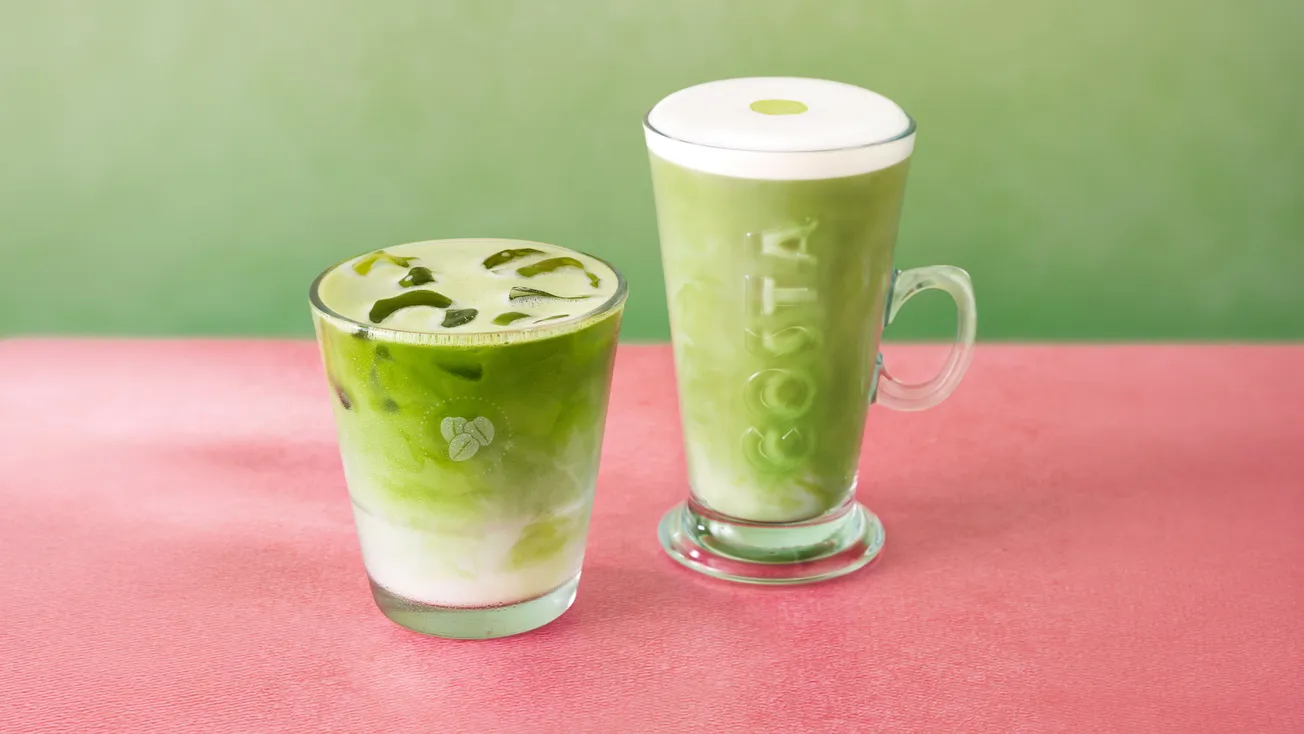
Once people are introduced to matcha, its versatility drives further demand. It works well across a wide range of formats, from traditional tea to lattes, desserts and flavoured drinks, which has helped it move from a niche product into a mainstream café staple.
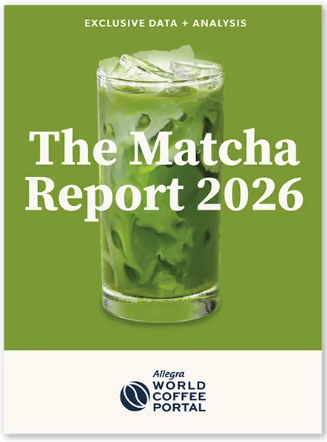
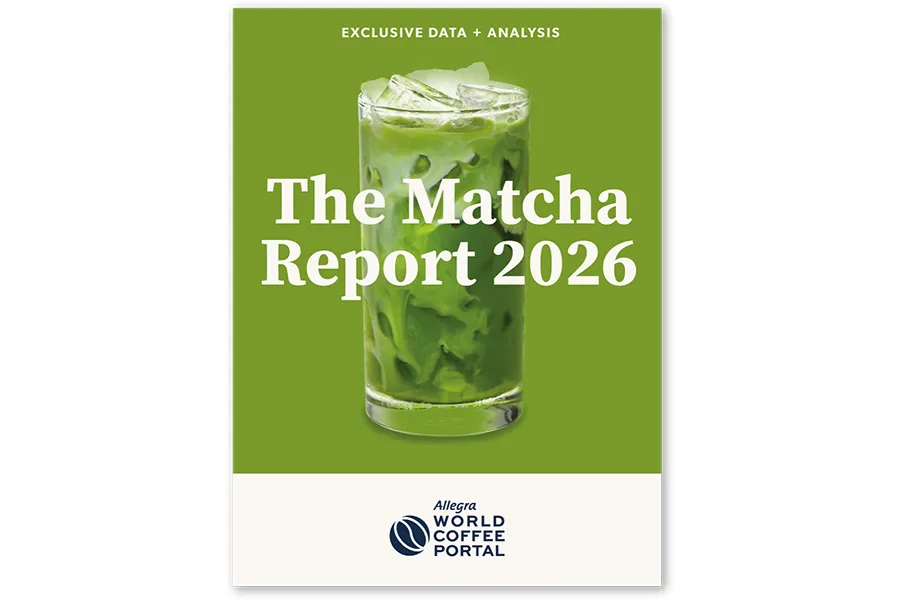
The Matcha Report 2026 is your guide to building a winning strategy for the hugely popular beverage category in 2026, featuring:
- 12 pages of in-depth matcha market analysis
- Consumer data from the UK, US, India and China
- Industry insights from senior coffee industry leaders
- Expert commentary from major matcha operators, including Blank Street and Suki Tea
- Hot + cold beverage preference analysis for the UK market
Japan’s tea sector has been trying to keep pace with soaring matcha demand. But it has simultaneously been facing fundamental supply issues for years as an ageing farming population retires and rural areas continue to urbanise. This leaves fewer growers producing tea each year.
At the same time, matcha production cannot be scaled quickly.
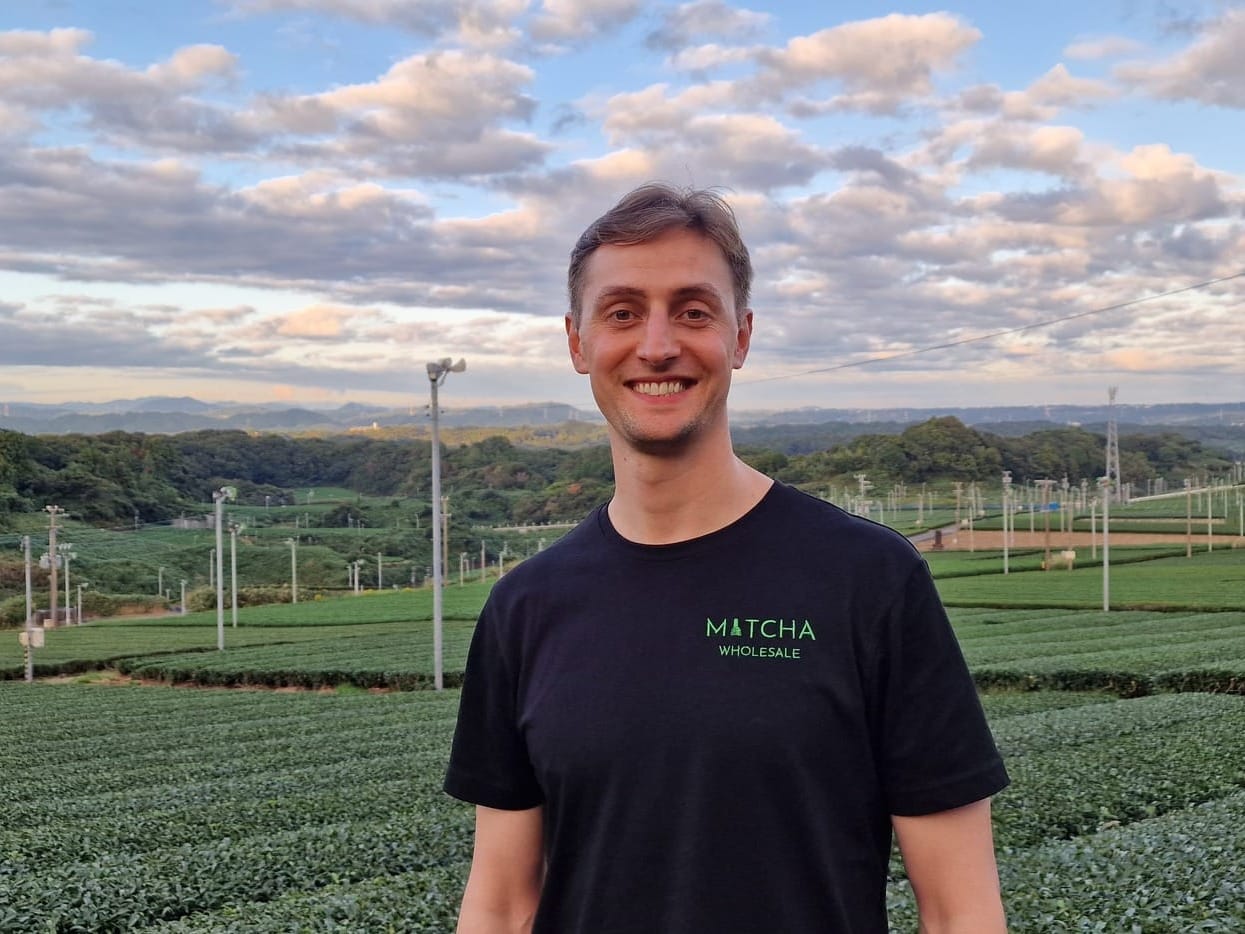
New tea plants typically require around five years to mature before they can be harvested, and the specialised equipment used for harvesting, producing tencha and grinding matcha is expensive and slow to manufacture.
Production itself is also inherently limited. The plants are shade-grown for roughly 20 to 50 days before harvest and are usually picked only one to three times per year. Many buyers demand first flush matcha specifically, which further restricts volumes available to them. Crop yields vary depending on natural conditions such as sunlight and rainfall.
While production in Japan has been increasing gradually, it cannot respond quickly to the sudden spike in demand.
Matcha was once largely reserved for tea ceremonies in Japan, but has become a global everyday ingredient. It now appears not only as tea but in lattes, bubble tea, chocolate, ice cream, pastries, supplements and beauty products, fuelled by younger and health-conscious consumers.
This surge in interest has tightened availability, pushed prices higher, and led many producers to raise minimum order quantities while prioritising long-term customers.
Some alternatives are being promoted, particularly hojicha, which suppliers are increasingly positioning as a complementary or caffeine-free option. Other substitutes include powdered green tea, gyokuro, sencha, moringa and mulberry leaf. However, these are produced differently and do not replicate matcha’s flavour profile, heritage or health benefits.
The rise of flavoured and pre-blended matcha powders has definitely changed the landscape. Many of these products allow suppliers to incorporate cheaper ingredients, such as flavourings, sugars or other powders, while still selling at matcha level pricing. In these blends, the underlying matcha is often a lower grade, and its origin, traceability and testing can become less clear for the operator.
A large share of matcha today is being used in blends. Suppliers often mix smaller quantities of genuine matcha with flavourings or with lower-grade matcha, sometimes sourced from both Japan and China, to create ‘house blends’ that are still marketed and priced as ceremonial grade.
This may create the impression that there is lots of supply, when in reality the amount of high-quality Japanese matcha available on the market is far more limited.
In my experience, pre-blended powders limit flexibility and can create a poor customer experience. In one café, I ordered a simple matcha tea and was served a sweet cinnamon-flavoured green drink because the café only stocked a flavoured blend!
Operators who want to serve high-quality matcha are usually better off sourcing pure matcha and adding flavourings themselves if needed. That approach gives far greater flexibility, from traditional usucha to flavoured lattes, while ensuring the matcha itself remains the focus.
It also ensures that they are paying the right price for each ingredient, not an inflated ‘ceremonial matcha price’ for low-quality matcha and cheap flavourings and sweeteners.
Given the imbalance between supply and demand, those seeking reliable, high-quality matcha also need to plan ahead, securing supply early and committing to volume where possible to lock in availability and pricing.
That’s because global demand for matcha is soaring.
According to data from the Japanese Ministry of Finance, the United States is by far the largest driver of global matcha demand. Between January and November 2025 alone, the US imported roughly 3.3 million kilograms of matcha from Japan, putting it well ahead of any other market.
In Europe, Germany is currently the largest buyer, followed by the UK, which has been expanding at an exceptionally fast pace. UK imports have increased by around 333% in volume and more than 640% in value year-on-year.
In Asia, Thailand and Taiwan are also major demand centres. Taiwan, however, imports far larger volumes of non-powdered green tea, whereas Western markets such as the US, Germany and the UK tend to skew much more heavily toward powdered tea, specifically matcha.
Ask what grade of matcha is being supplied and whether it is actually suited to your intended use, whether that is traditional tea, lattes or other applications. A knowledgeable supplier should be able to explain clearly why a particular grade fits your menu and target customer.
Origin and traceability are equally important. Operators should know where the matcha is grown and produced, ideally down to the region or farm, rather than simply “product of Japan”.
It is also worth asking whether each batch is independently tested for contaminants such as pesticides, heavy metals and microbiology, and suppliers should be able to provide you with a copy of the test results.
Finally, reliability matters. With demand continuing to outpace supply, cafés should ask about lead times, consistency and continuity of supply so they can be confident the product on their menu will remain available and consistent over time.
Demand has increased not only in volume but in the sophistication of buyer conversations. Customers are asking far more detailed questions about origin, harvest, grade, and, in particular, traceability, testing and consistency as lower grades and blended products begin to enter the market.