

For two decades, the coffee industry seemed on an unstoppable march towards a globalised future dominated by US and European brands exporting coffee and café culture to new audiences around the world. But today, many of these successful businesses are under severe pressure as high costs erode profitability and long-held business models are undermined by soaring coffee prices. Tobias Pearce explores how coffee businesses in consumer markets are adapting to new economic realities – and whether the global coffee industry as we know it will ever be the same again
The 2010s were a golden era for the business of coffee and hospitality. Large coffee chains, roasters and independents alike were riding high on coffee’s booming cultural capital.
Investors were hungry to buy into an industry that had demonstrated over 20 years of growth and showed no signs of slowing. With quality on the rise, developing markets in Asia and the Middle East presented lucrative new frontiers for international growth.
Missed Coffee’s New World Order: Part One?
Catch up here.
Times have changed. In 2020, the global pandemic marked the beginning of a new phase of profound disruption and cost pressures that have become the new norm for the coffee industry. High inflation is another hangover from an overstimulated global economy during the pandemic.
“We’ve seen an uneven recovery from inflation and countries have stabilised their economies to different levels,” says Dr Vesselina Ratcheva, a social scientist specialising in cultural insights and social trends.
Coffee demand may be stronger than ever, but many businesses are under sustained pressure from record-high commodity prices and operational costs.
Meanwhile, consumers in developing coffee markets, such as China and India, long coveted as growth markets by Western coffee businesses, are gravitating towards affordable home-grown competitors.
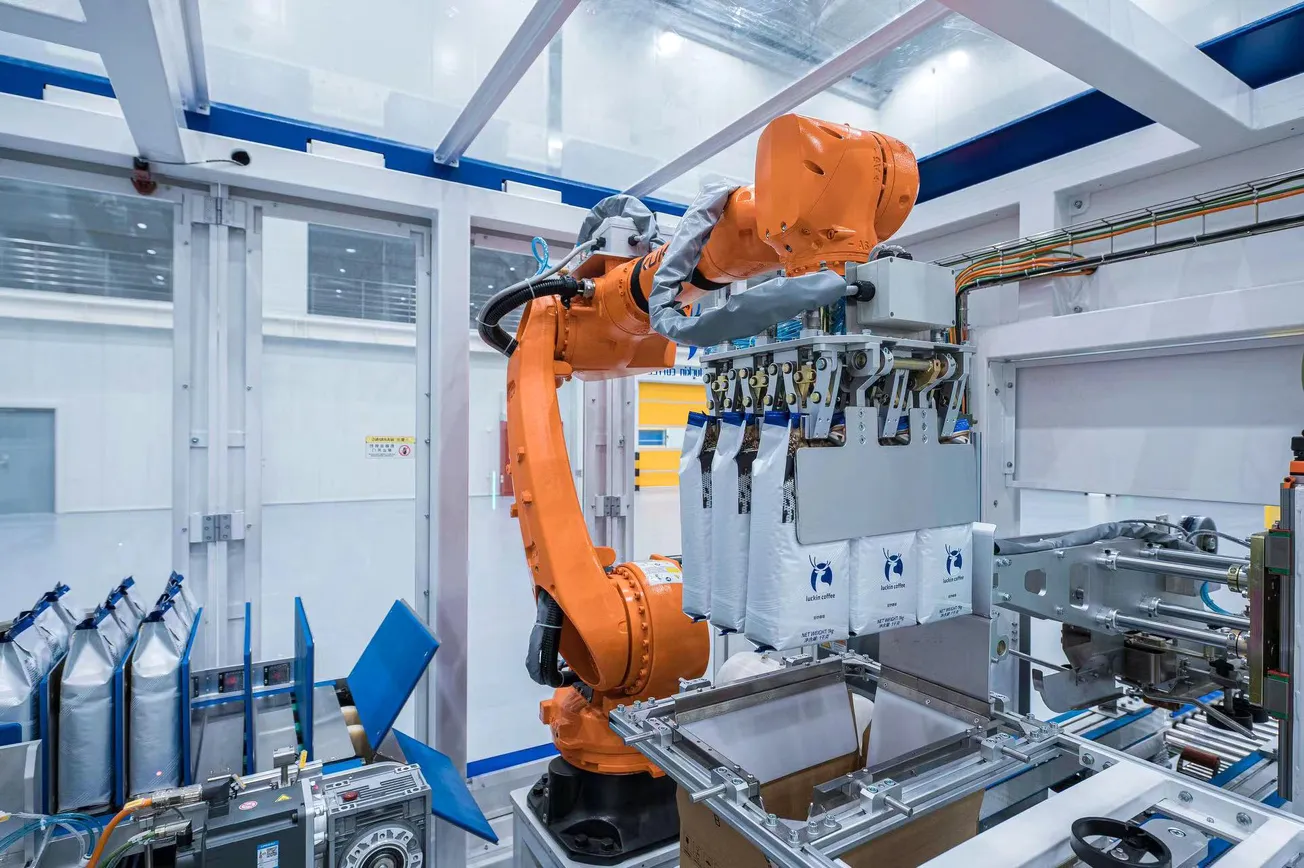
Fast-growing coffee chains, such as China’s Luckin Coffee and Cotti Coffee, Thailand’s Café Amazon and Malaysia’s ZUS Coffee, are outmanoeuvring many international competitors at home.
The coffee industry may be larger than ever – but it is becoming increasingly atomised amid rising national sentiment and retreating globalisation.
“There’s a greater preference for prioritising regional or national diversity, and that comes from a very specific place – which is the sense that some elements of globalisation didn’t work out for all economies equally, or sufficiently equally, and for all populations,” observes Ratcheva.
Unlock Allegra intelligence for just £1
Already have an account? Sign In