
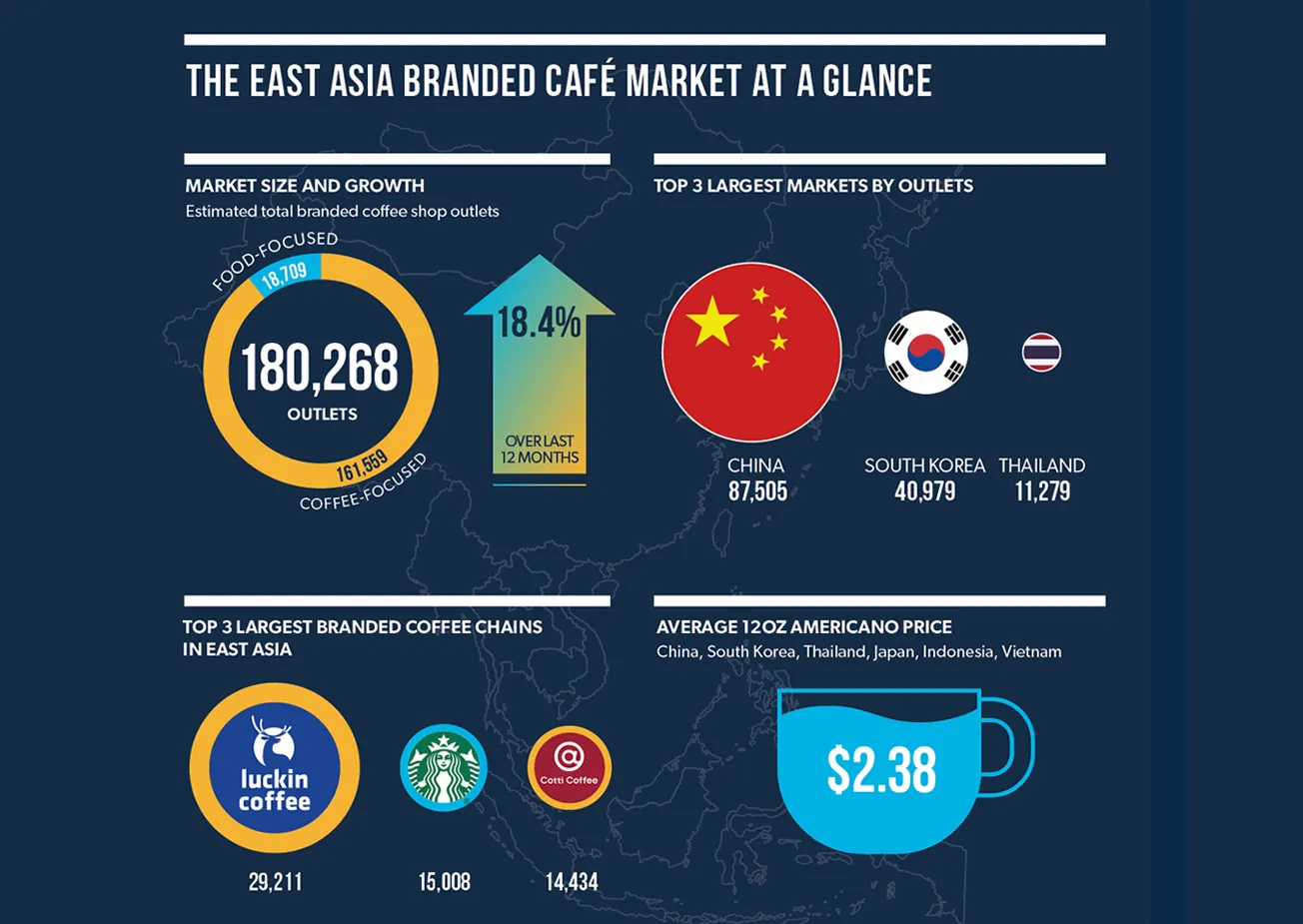
Project Café East Asia 2026, World Coffee Portal’s ground-breaking analysis of the East Asian branded coffee shop market, reveals the total regional market grew 18.4% by outlets over the last 12 months to reach 180,268 stores, with China, Thailand, Indonesia, Vietnam and the Philippines achieving double-digit outlet growth
- China’s branded coffee shop market grew 31.5% over the last 12 months to reach 87,505 outlets, becoming the only branded coffee shop market globally to add over 20,000 net new outlets in a calendar year
- 17 of the 18 East Asian branded coffee shop markets featured in the report achieved net outlet growth over the past 12 months, with 11 achieving double-digit store growth
- 29 East Asian branded coffee chains operate more than 1,000 outlets, with 25 of these originating from countries in the region
- 71% of East Asian industry leaders surveyed report increased sales over the last 12 months, with 68% believing trading conditions will improve next year
Surging Chinese branded coffee shop market achieves astonishing outlet growth
The total Chinese branded coffee shop market grew 31.5% over the last 12 months to reach 87,505 outlets – nearly double that of the US and making up nearly half of the total 180,268-store East Asia market. China’s remarkable growth represents the first time a branded coffee shop market has added over 20,000 net new outlets in a calendar year.
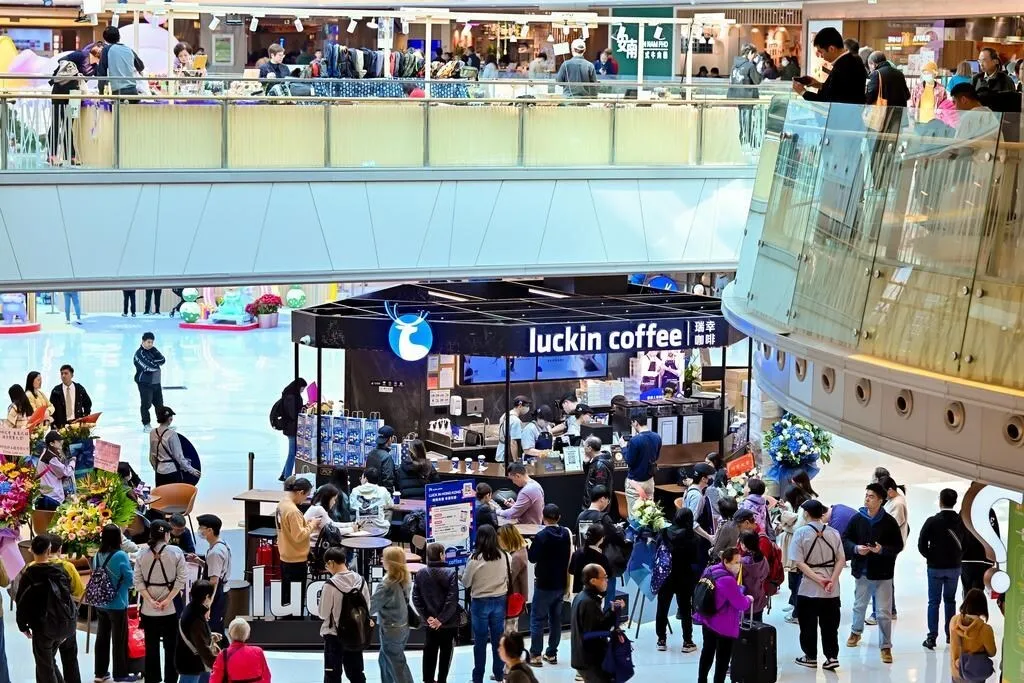
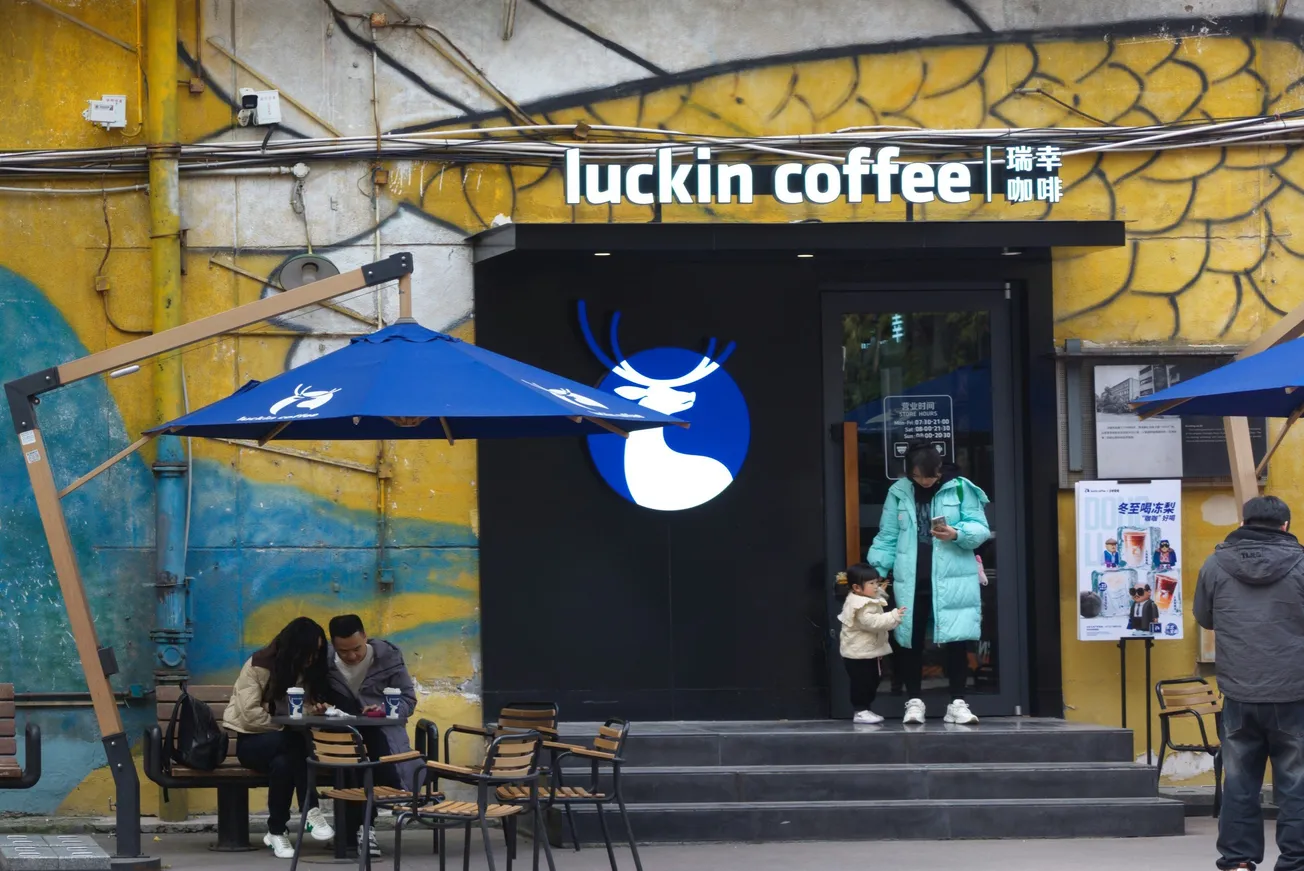
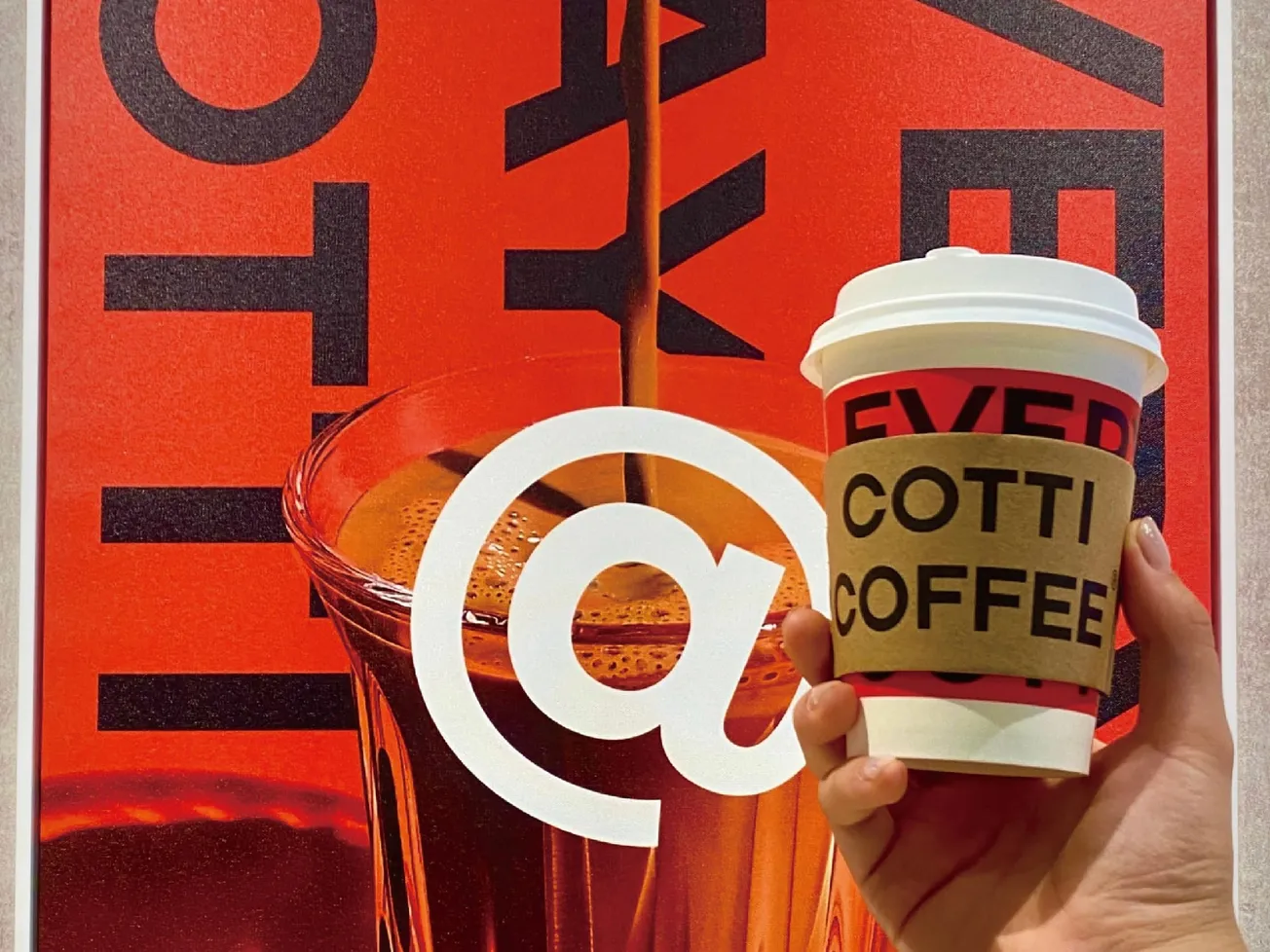
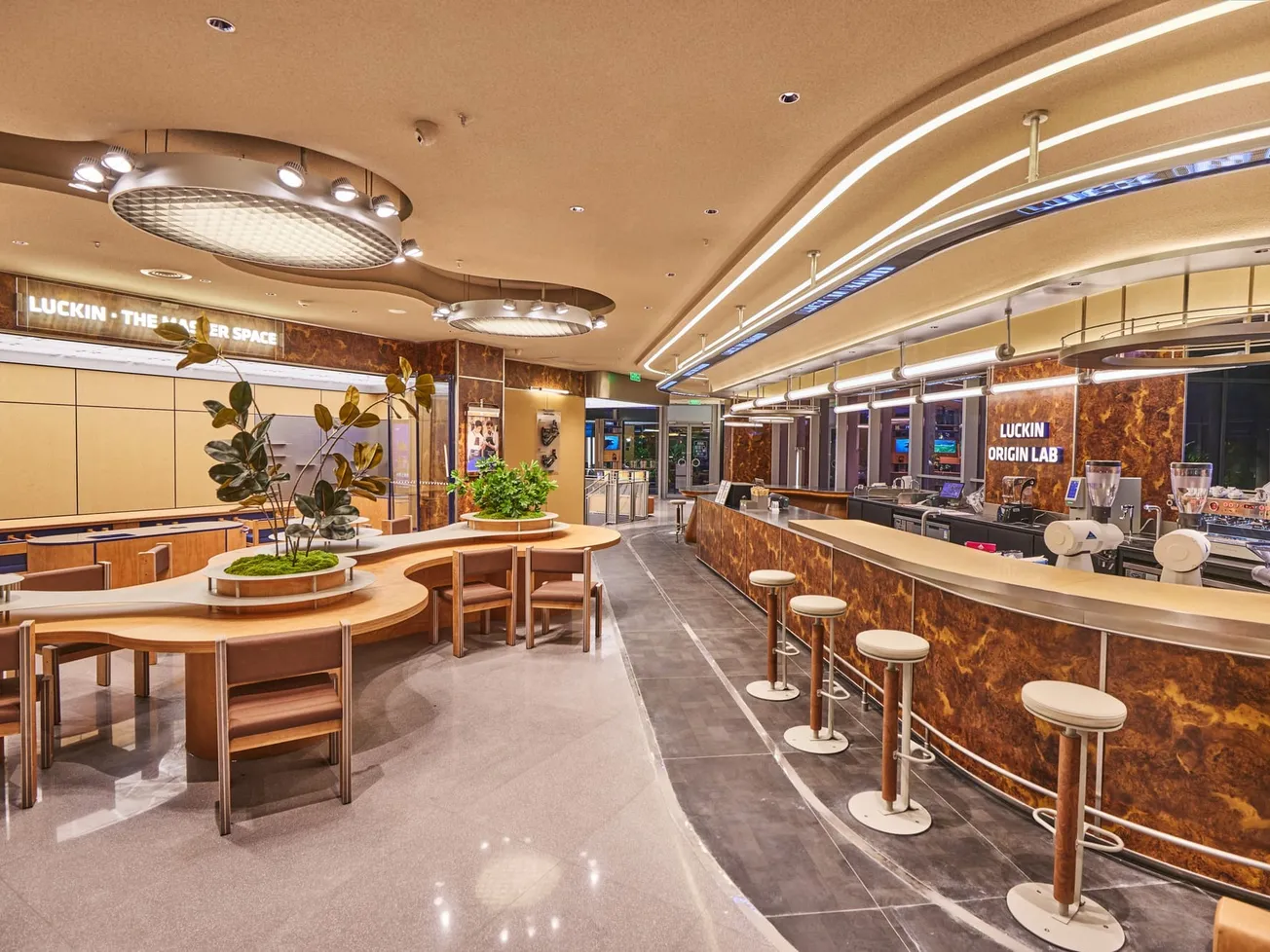
Outlet growth was led by the country’s two largest operators, Luckin Coffee and Cotti Coffee, which added over 12,000 net new stores between them and make up 50% of the total Chinese branded coffee shop market.
The Chinese branded coffee shop market is increasingly influenced by value, promotions and discounting, notably the RMB 9.9 ($1.40) price war between rivals Luckin and Cotti.
The market emphasis on affordability has also led to the emergence of several fast-growing value-focused coffee chains, including Mixue’s Lucky Cup and Yum China’s KCOFFEE.
This highly competitive trading environment has wrong-footed many international operators in a market now dominated by domestic coffee chains. Notably, former Chinese branded coffee shop market leader Starbucks has agreed a $4bn majority stake sale of its 8,000-store business in China to Hong Kong-based Boyu Capital.
Chinese operators drive unprecedented beverage innovation
Eighty percent of 4,000 Chinese coffee shop consumers surveyed by World Coffee Portal drink hot coffee at least weekly, with a quarter doing so daily. Nevertheless, operators are increasingly experimenting with cold, flavoured and fruit-infused coffee ranges that make China a unique testbed for flavour innovation.
Chinese coffee consumers surveyed cited matcha, palm sugar and coconut as the most exciting coffee beverage flavour additions. Underlining the trend, Coconut Lattes have been the flagship, best-selling menu item for Luckin Coffee since its launch in 2017.
The Chinese coffee giant test-launches new beverages weekly, leading to creations such as jelly and cheese lattes. Similarly, Yum China’s value-focused coffee chain, KCOFFEE, has launched outlandish ranges, including Egg Tart Dirty Coffee, a KFC-inspired Original Recipe Chicken Latte and sparkling black vinegar Americano.
East Asian coffee chains gain market share as consumers favour homegrown brands
East Asian branded coffee shop markets have developed their own identities based on national coffee traditions and a push by many operators to make espresso-based beverages more affordable for daily consumption. As a result, many branded coffee shop markets in the region are becoming culturally and commercially defined by homegrown operators.
In China, 57% of consumers surveyed by World Coffee Portal cited a preference for homegrown coffee chains over international operators. This sentiment is evident across East Asia, where domestic coffee chains continue to gain market share from Western operators.
Indonesia’s Jinji Jawa, Malaysia’s ZUS Coffee, Filipino chain Pickup Coffee, and Vietnam’s Milano Coffee all added hundreds of stores over the last 12 months to scale faster than established US and European competitors, such as Starbucks, Dunkin’ and Costa Coffee.
In Thailand, Café Amazon and PunThai Coffee opened 80% of all net new stores over the last 12 months. These dynamics highlight the importance of localisation across menus, digital channels and marketing strategies.
East Asia Industry leaders buoyant on further growth potential
The majority (71%) of industry leaders surveyed achieved annual sales growth in their respective markets, while over two-thirds are positive about current trading conditions. Additionally, 68% of those surveyed expect trading conditions to improve over the next 12 months.
World Coffee Portal forecasts that the East Asian branded coffee shop market will become the first in the world to surpass 200,000 outlets by the end of 2026. The total East Asian branded coffee shop market is forecast to exceed 263,000 outlets by November 2030 at a five-year outlet growth of 7.9% CAGR.
China is expected to achieve 20% outlet growth in 2026 and 10.3% over the next five years, with the market expected to surpass 142,500 outlets by the end of 2030. Cambodia, Indonesia, Malaysia, the Philippines and Vietnam are also expected to record double-digit outlet growth over the next 12 months.
Commenting on the findings of Project Café East Asia 2026, Allegra Group Founder and CEO, Jeffrey Young, said:
“East Asian coffee chain growth demonstrates what an important part of the world this region has become for the global coffee industry. China, a true powerhouse, has added over 20,000 stores in a year, achieving unprecedented and astonishing growth. Industry sources that we speak to indicate that there is still much further room for expansion, and we expect the entire region to become the main driver for growth globally over the coming decades.
“It will be especially interesting to watch the entry of many of these operators into Western markets and the impact they might have in terms of product offerings and use of technology.
“One thing is certain: this is a sign of change, and the global coffee market is increasingly being led by East Asian concepts.”
Jamie Connolly, Head of Strategic Partnerships
jconnolly@allegra.co.uk
+44 (0) 20 7691 8800
For media enquiries and interview requests, contact:
Maria Aleksanyan, Marketing Manager
maleksanyan@allegra.co.uk